Mira-Bhayander Flyover Design Triggers Public Debate Over Lane Configuration
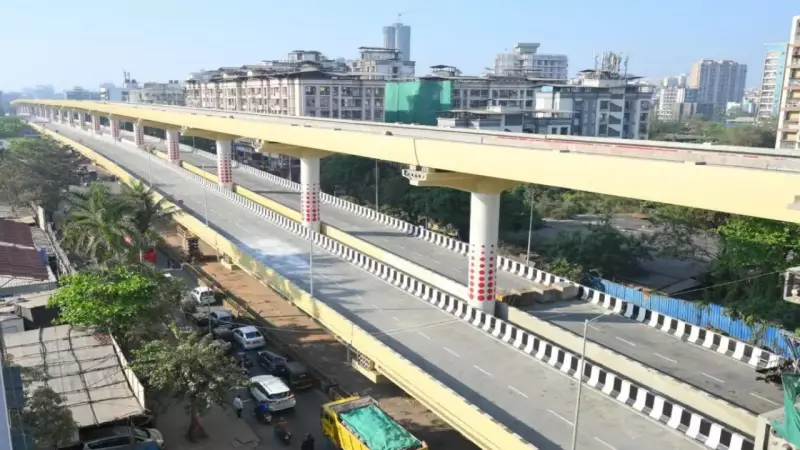
A recently completed flyover in the bustling Mira–Bhayander region has become the center of intense public discussion following viral social media posts that raised concerns about its design. The controversy erupted when images circulated online showing what appeared to be an abrupt narrowing of the flyover from four lanes to two, prompting questions about whether this infrastructure project might actually exacerbate traffic congestion rather than alleviate it.
Social Media Post Goes Viral Questioning Design
The issue gained momentum after the Gems of Mira Bhayander account on X (formerly Twitter) shared observations about the double-decker flyover, which forms part of the ambitious Metro Line 9 project. The post specifically questioned whether the design decision to transition from four lanes to two could potentially worsen traffic flow in this rapidly developing suburban area. This single social media update sparked widespread debate about infrastructure planning, engineering standards, and approval processes in Mumbai's expanding metropolitan region.
MMRDA Issues Detailed Clarification on Design Rationale
In response to the growing public concern, the Mumbai Metropolitan Region Development Authority (MMRDA) released a comprehensive clarification addressing the design features. Authority officials emphasized that the lane transition represents a carefully planned engineering decision influenced by available right of way and long-term network expansion considerations.

The authority explained that the current configuration includes two lanes dedicated to Bhayander East traffic, while provisions have been made for an additional two lanes toward Bhayander West as part of a future extension across the Western Railway line. Since the Bhayander East section comes first along the alignment, the flyover transitions from four lanes to two at this point, with the remaining outer lanes scheduled for implementation in a subsequent phase.
Detailed Engineering Specifications Revealed
MMRDA provided specific technical details about the flyover's design:
- Up to Golden Nest Circle – a critical junction where five major arterial roads converge – the structure features a 2+2 lane flyover integrated with the Metro corridor
- Slip roads have been constructed on both sides to facilitate efficient traffic dispersal
- Beyond this junction toward Bhayander East, the available road width decreases according to the Development Plan, necessitating a 1+1 lane flyover along the median
- Dedicated up and down ramps have been incorporated to ensure uninterrupted movement toward Railway Phatak Road
The development authority further clarified that provisions have been made for potential future widening of the flyover, subject to necessary approvals and coordination with the Mira-Bhayander Municipal Corporation. The primary design objectives, according to MMRDA, include traffic dispersal and congestion reduction, with numerous safety features incorporated into the structure.
Safety Features and Traffic Planning
MMRDA highlighted several safety elements integrated into the flyover design:
- Comprehensive signage systems for clear navigation
- Rumble strips to alert drivers of changing conditions
- Crash barriers for enhanced protection
- Input from traffic police incorporated during planning stages
These features were implemented before the structure's commissioning to ensure optimal safety standards and traffic management efficiency.
Public Skepticism Persists Despite Official Clarification
Despite MMRDA's detailed explanation, public skepticism continues to circulate on social media platforms. Dakshay Desai expressed strong concerns on X, stating, "This flyover will be shut immediately after inauguration if opened. As this will be an accidental zone. They will have to make a lot of changes. This is the worst design — who approved it?"

Another user, ekbote-R, drew comparisons with previous infrastructure projects, posting, "Vikhroli east–west bridge had three lanes, Lower Parel bridge without footpath. Now this. I have actually started doubting these engineers' degrees." These comments reflect broader public apprehension about infrastructure quality and design standards in the Mumbai metropolitan region.
Broader Implications for Urban Infrastructure Development
This controversy highlights the increasing public scrutiny of major infrastructure projects in India's rapidly urbanizing regions. The debate extends beyond this specific flyover to encompass broader questions about:
- Transparency in infrastructure planning and approval processes
- Public consultation in urban development projects
- Long-term traffic management strategies
- Engineering standards and safety considerations
- Coordination between different government agencies
As Mumbai continues to expand and develop its transportation network, such discussions are likely to become increasingly common, reflecting growing public engagement with urban planning decisions that directly affect daily life and mobility.