

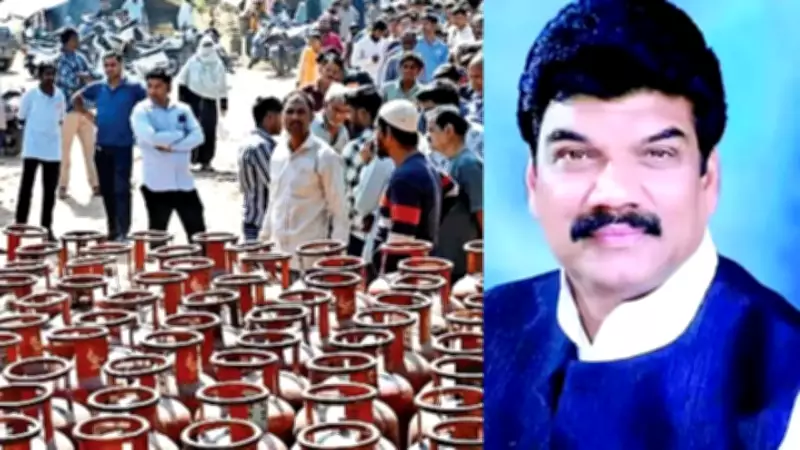
MP Minister Addresses LPG Supply Concerns Amid Regional Tensions
In an exclusive interview, Madhya Pradesh's Minister for Food, Civil Supplies, and Consumer Protection, Govind Singh Rajput, has provided crucial updates regarding the ongoing LPG supply situation in the state. The minister emphasized that despite recent tensions in West Asia, there is no shortage of essential fuels, including domestic LPG cylinders, petrol, diesel, CNG, and PNG in Madhya Pradesh.
Government's Proactive Measures to Ensure Supply Stability
Minister Rajput detailed the state government's comprehensive strategy to maintain normalcy in fuel distribution. A dedicated committee of ministers has been established to continuously monitor the supply chain and address any emerging issues promptly. District collectors across Madhya Pradesh have received explicit directives to prevent hoarding and black marketing of domestic LPG cylinders, ensuring fair access for all consumers.
"We are closely tracking the developments in West Asia, but I assure you that there is sufficient stock of domestic LPG in MP," stated Rajput. "Our officials are interacting at various levels and taking continuous feedback to implement necessary measures."

Addressing Panic Buying and Long Queues
When questioned about the long queues observed at LPG distribution centers, the minister attributed this primarily to panic buying fueled by regional uncertainties. He clarified that the situation remains under control, with regular supplies of LPG cylinders being received and distributed. However, commercial cylinders are currently restricted to essential institutions like educational facilities and hospitals to prioritize domestic needs.
"It is largely due to panic buying, but we are making all efforts to ensure there is no problem for LPG consumers in the state," Rajput explained. "Domestic LPG supply will continue as normal, and we are keeping a close watch on developments."
Contingency Plans and Central Coordination
The minister outlined contingency measures, stating that if the crisis deepens, the state government will seek directions and advice from the central government. This collaborative approach aims to leverage national resources and expertise to mitigate any potential supply disruptions.
Key actions taken by the government include:
- Formation of a ministerial committee for real-time monitoring
- Strict enforcement against hoarding and black marketing
- Continuous assessment of supply chain logistics
- Prioritization of domestic LPG over commercial use
Rajput concluded by reiterating the government's commitment to consumer protection and supply stability, urging citizens to avoid unnecessary stockpiling and trust in the system's resilience.






