In a strategic shift from enforcement to engagement, the Balaghat police in Madhya Pradesh have transformed a former Maoist stronghold into a model for development-driven counter-insurgency. Chukka Tola, once a key base for CPI (Maoist) leadership including central committee member Milind Teltumbde—who carried a Rs 50-lakh bounty before being killed in a 2021 encounter in Gadchiroli—has now become the focal point of a unique initiative that uses education as a tool to reclaim the Red corridor.
From Intelligence to Action
Led by SP Aaditya Mishra, a 2018-batch IPS officer, the Ekal Suvidha Kendra ‘Vidyanjali’ project operates on a no-contractor, police-executed model. Constables to senior officers contribute ‘shramdaan’ (voluntary labor), physically rebuilding neglected primary schools funded through public participation across remote tribal belts. The idea emerged from field intelligence inputs that linked extremist influence to collapsed education infrastructure, leaving children outside the formal system and communities disconnected from the state.
Scaling Up Rapidly
What began with a single abandoned school in Chukka Tola has now scaled into a district-wide intervention. As per project data, work on about 250 schools has already been completed, with 276 schools adopted by 36 adopters—surpassing the initial target of transforming 100 schools by January 26, 2026. Each school has been upgraded at an average cost of about Rs 1.2 lakh, with roughly Rs 1 lakh spent on materials such as cement, paint, and tiles, and about Rs 20,000 on labor, much of it contributed through police effort, bringing costs down to nearly one-fourth of conventional models.

Visible Transformation on Ground
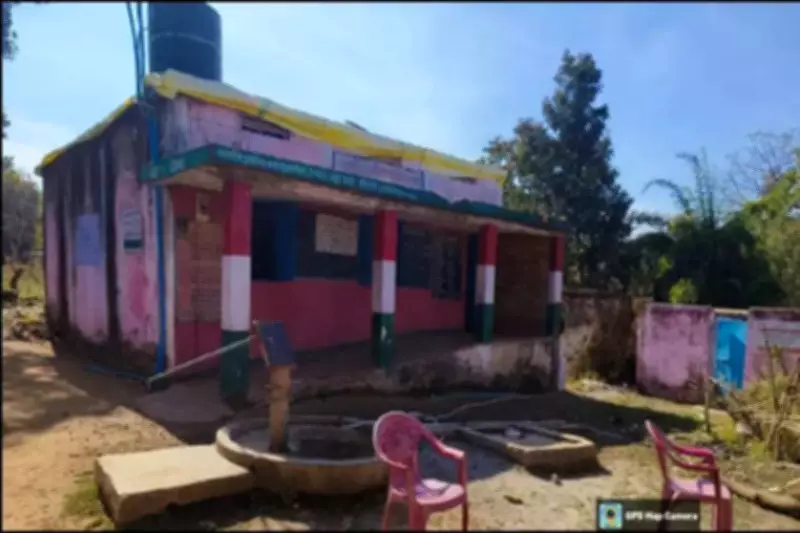
At Chukka Tola, the school that once had crumbling boundary walls, unkempt grounds, and no secure entry point now boasts a freshly painted main gate, landscaped campus, and defined periphery. Inside, classrooms that earlier had broken furniture, peeling plaster, and poor lighting have been converted into functional learning spaces with desks, bright walls, and teaching aids. Basic facilities have been prioritized: unsafe kitchen sheds replaced by clean cooking spaces, dilapidated sanitation units rebuilt into tiled hygiene blocks, and provision of drinking water, electrification, and covered campus areas ensured.
Community Participation and Transparency
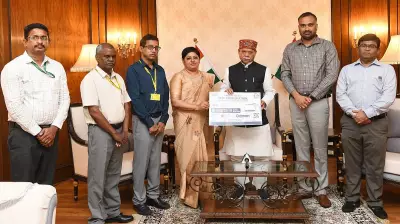
The initiative gained momentum after the administration declared the effective eradication of Naxal activity in the district in December 2025, shifting focus to long-term stabilization through development. The project began with a pilot covering five schools before expanding. SP Aaditya Mishra, along with his wife and father, personally adopted schools, setting the tone for wider participation. Local businessmen and community members came forward with financial support, contributing nearly Rs 3.90 crore from citizens and institutions.
“The aim is to rejuvenate primary schools. Through this initiative, we are not just painting walls; we are building a future where every child has access to better facilities and learning conditions,” Mishra said.
To ensure transparency, a dedicated Vidyanjali portal has been developed, allowing individuals and organizations to contribute directly. A Vidyanjali Society has been registered with a dedicated bank account, PAN, and DARPAN ID to channel CSR funds and public contributions.
Broader Impact and Future Plans
Similar work is now underway across interior pockets of Kirnapur, Baihar, and Malajkhand, where police personnel are directly involved in construction—carrying materials, plastering walls, and painting classrooms themselves. The scope of work covers structural safety, sanitation, and classroom environment: repaired roofs and floors, secure boundary walls, functional doors and windows, improved furniture, lighting and fans, clean drinking water facilities, and hygienic kitchen sheds for mid-day meals.
Authorities say the larger aim is to improve learning conditions and bring children back into the formal education system in remote tribal areas. “If schools function well, it strengthens the entire ecosystem. This is also about ensuring that no negative influence returns to these areas,” Mishra said.

Parallel efforts include rehabilitation of surrendered Maoists, facilitation of identity documents, banking access, and livelihood support for affected families, aimed at breaking cycles of alienation. Senior officers describe the initiative as a shift in policing philosophy from enforcement to engagement, using development as a tool to secure lasting peace.