

Nagpur's Water Supply Under Threat as Kanhan River Pumping Woes Intensify
A routine inspection of Nagpur's water infrastructure has starkly revealed a critical vulnerability in the city's supply chain. The mounting difficulties in pumping raw water from the Kanhan River, a vital source for a significant portion of daily needs, are increasingly exposing systemic weaknesses that threaten urban water security.
Daily Struggles at Kanhan River Intake Points
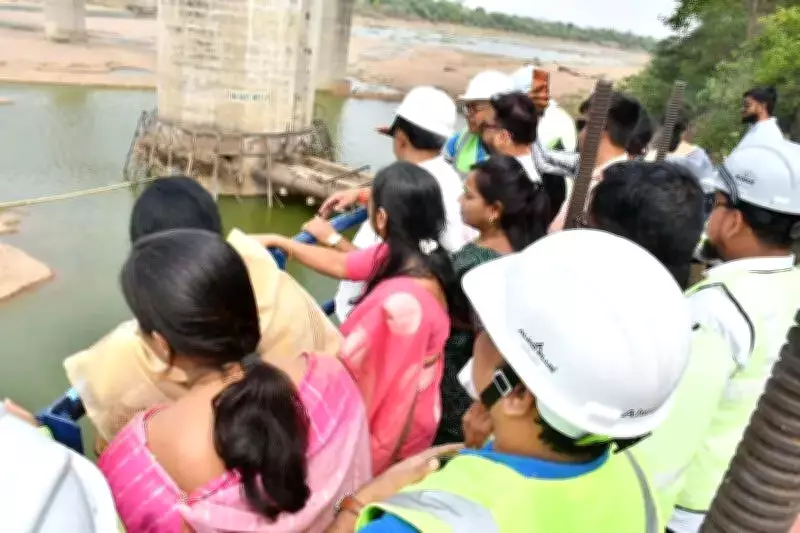
During an organized visit by the Nagpur Municipal Corporation and Orange City Water, officials openly acknowledged that lifting water from the Kanhan River has become a daily battle. Multiple factors are severely impacting intake efficiency:
- Fluctuating river levels that vary unpredictably
- Heavy silt deposition clogging intake systems
- High pollution loads from industrial and agricultural sources
These challenges force pumps to operate under constant stress, leading to frequent breakdowns and significantly reduced discharge capacity. The Kanhan-based system primarily supplies water to Satranjipura, Lakadganj, Ashi Nagar, Gandhibagh, and parts of Nehru Nagar zones, making these residential areas the first to experience disruptions when pumping problems occur.

Infrastructure and Power Supply Challenges
The Kanhan water treatment plant has an installed capacity of 240 million liters per day (MLD), but officials admit actual output frequently fluctuates due to pumping constraints and raw water quality issues. "The installed capacity is not the problem — sustaining consistent pumping is," emphasized a senior official during discussions with elected representatives.
The inspection was attended by key political figures including Mayor Neeta Thakre, ruling party leader Narendra Borkar, opposition leader Sanjay Mahakalkar, Pradip Pohane, water works panel chairperson Divya Dhurde, and vice chairman Vijay Zalke, demonstrating cross-party concern about the situation.
Perhaps the most critical concern remains erratic power supply. Pumping stations at Kanhan depend heavily on uninterrupted electricity, and even brief outages disrupt the entire water cycle — from raw water lifting to treatment and final distribution. While backup systems exist, they lack the robustness needed to handle prolonged interruptions, particularly during peak summer months when water consumption spikes dramatically.
Pollution Compounds the Crisis
Environmental degradation has significantly worsened the water crisis. Industrial effluents, untreated sewage, and agricultural runoff have severely degraded raw water quality at the source, forcing treatment plants to work harder and longer to produce potable water. This not only slows processing times but also raises operational costs substantially while increasing the risk of supply shortfalls during critical periods.
Contrast with Stable Pench-Based System
In stark contrast to the struggling Kanhan system, the Godhani water treatment complex, which draws from the Pench River, remains relatively stable and reliable. This facility houses four separate plants:
- Pench I with 136 MLD capacity
- Pench II with 175 MLD capacity
- Pench III with 120 MLD capacity
- Pench IV with 115 MLD capacity
Collectively treating 546 MLD, the Godhani complex benefits from comparatively better raw water quality and fewer pumping disruptions, allowing it to shoulder the bulk of Nagpur's water supply requirements.
Systemic Vulnerabilities and Future Concerns
This growing imbalance between the two systems raises serious concerns about urban water security. Overdependence on the Pench-based system, while Kanhan struggles, leaves the city vulnerable to any disruption in either source. Ageing infrastructure, transmission losses, and steadily rising demand further tighten operational margins, creating a precarious situation for municipal authorities.
Despite years of reliance on Kanhan River water, long-term investments in modernizing intake systems, ensuring dedicated power supply, and controlling pollution remain inadequate. The inspection, intended to showcase civic preparedness, instead highlighted systemic inefficiencies that continue to threaten Nagpur's water security.

Urgent Action Required
As summer intensifies and demand peaks, the message from infrastructure experts is clear: Unless pumping issues at Kanhan are urgently addressed through comprehensive modernization and pollution control measures, Nagpur's water supply will remain at the mercy of an overburdened and failing system. The city faces a critical juncture where immediate intervention could prevent more severe disruptions in the coming months.
The inspection revealed that Nagpur's total water treatment capacity stands at 786 MLD across all plants, but actual delivery depends heavily on resolving the Kanhan pumping challenges that threaten to undermine this capacity during periods of peak demand.





