

Nagpur's Water Supply Increases to 765 MLD, Yet Distribution Woes Persist
Even as Nagpur's daily water supply has risen from 730 to 765 million litres per day (MLD) with the onset of summer, residents across several parts of the city continue to grapple with low pressure and inadequate supply, triggering sharp reactions from corporators across party lines.
Enhanced Pumping Fails to Ensure Equitable Distribution
The spike in supply is being driven by enhanced pumping from the Kanhan river, contributing around 235 MLD, and the Pench reservoir system, providing over 530 MLD. However, the higher quantum has failed to translate into equitable distribution on the ground, with multiple prabhags reporting shortages and erratic timings.
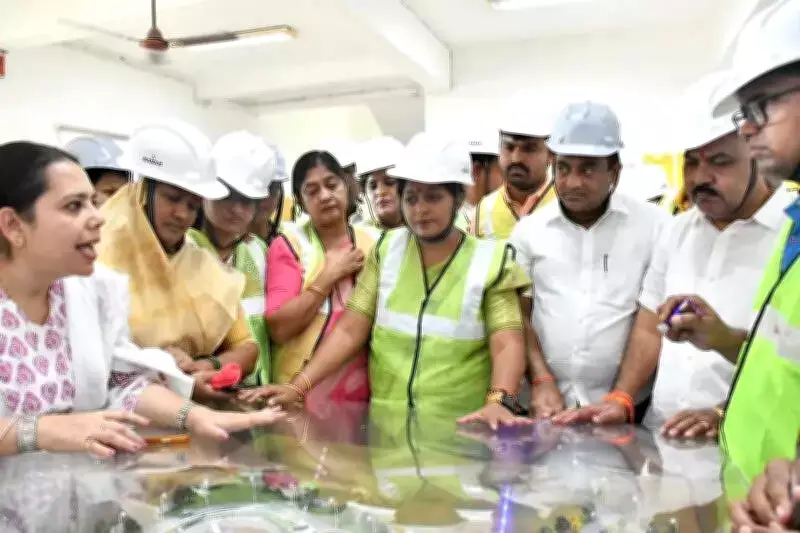
During a visit to water treatment plants at Godhani and Kanhan, corporators expressed anguish over the persistent gap between supply figures and actual delivery. What began as a review meeting soon turned into a forum for grievances, with both ruling and opposition members raising concerns over water scarcity in their respective areas.

Political Outcry and Civic Response
Mayor Neeta Thakre directed Orange City Water Pvt Ltd (OCWL) and the Nagpur Municipal Corporation's water works department to provide regular, structured updates to corporators on reservoir storage levels and ward-wise supply. The move comes amid complaints that elected representatives are often left in the dark when responding to citizens' queries.
Leader of opposition Sanjay Mahakalkar questioned why citizens continue to receive low-pressure supply despite the city pumping such large volumes daily. Shiv Sena (Shinde) corporator Ganesh Charlewar flagged acute shortages in Prabhag 31, highlighting that the problem is widespread and not limited to isolated pockets.
Technical and Operational Challenges Identified
Officials attributed the mismatch to a combination of technical and operational challenges. Frequent power tripping at pumping stations remains a major concern—even a one-hour outage can disrupt the filling of multiple overhead tanks, affecting supply to thousands of households.
Variations in elevation, pressure management issues, and limitations in balancing reservoir levels further complicate distribution, particularly in tail-end areas. NMC and OCW also admitted that the non-revenue water stands at 223 MLD, indicating significant losses in the system.
Dependence on External Support and Pending Projects
At present, nearly 75 MLD of the city's supply is being artificially sustained through canal releases from Navegaon Khairi dam into the Kanhan river, underscoring the system's continued dependence on external support. A long-pending proposal to construct a weir or barrage upstream to regulate flow and ensure consistent availability is yet to materialize.
While officials maintain that treatment processes—including sedimentation, filtration, and disinfection—are functioning efficiently, the distribution network remains the weakest link. With summer demand rising due to increased use of coolers and pumps, the civic body claims it is attempting to extend supply duration by one to two hours in select areas.
Structural Bottlenecks Threaten Relief Efforts
However, unless structural bottlenecks—from power reliability to source sustainability and real-time monitoring—are addressed, the increase to 765 MLD is unlikely to bring meaningful relief to Nagpur's parched households.
Key Supply Statistics:

- Total Supply: 765 MLD (up from 730 MLD)
- Kanhan River Contribution: 235 MLD
- Pench Reservoir Supply: 530+ MLD (Pench I-IV)
- External Support: 75 MLD via releases from Navegaon Khairi dam





