

Nagpur's Pedestrian Infrastructure Crisis: Seven-Year Delay Leaves Half of Planned Footpaths Unbuilt
Nagpur's ambitious vision for pedestrian-friendly streets has hit a major roadblock, with the city failing to implement half of its planned footpath network more than seven years after the blueprint was created. The Comprehensive Mobility Plan (CMP) prepared in 2018 had proposed an extensive citywide pedestrian network spanning 664 kilometers to transform urban mobility.
Shrinking Footpath Coverage Amid Growing Urban Needs
The updated CMP approved in 2025 reveals a stark reality: Nagpur currently has only 347 kilometers of footpaths, representing just over half of the originally planned network. This gap has actually widened over the last decade, creating a significant infrastructure deficit that affects daily commuters and urban planning effectiveness.
Looking back to 2013, the CMP assessment showed Nagpur had approximately 129 kilometers of footpaths, which at that time represented about 70% of the city's requirements. However, even that limited network faced severe challenges, with nearly 67% of surveyed footpaths suffering from encroachments that restricted pedestrian movement.

Encroachment Crisis Worsens Over Thirteen Years
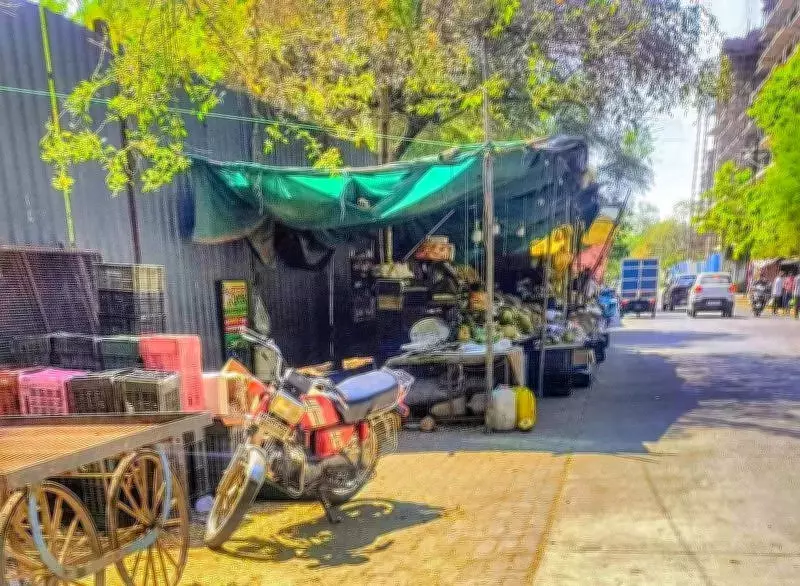
The encroachment problem has intensified rather than improved over time. On major corridors, 39% of stretches faced heavy encroachments that significantly impeded pedestrian flow, while 19% of roads experienced moderate levels of obstruction. After thirteen years of documented challenges, no concrete solution has emerged from concerned authorities to address this persistent issue.
Senior officials and urban mobility experts emphasize that pedestrian infrastructure forms the essential foundation of urban mobility systems. "If people cannot safely walk to or from public transport stops, the entire transportation system loses its effectiveness," explained a senior official associated with the Comprehensive Mobility Plan development.
Impact on Public Transportation Viability
According to transportation specialists, the absence of safe, accessible footpaths actively discourages commuters from using public transport systems such as the Metro and city buses, particularly for short trips that require walking connections. "If the next stretch involves walking on the road amid traffic after getting down at a Metro station or bus stop, many commuters avoid the system altogether," noted an urban mobility expert.
The expert further explained: "Reliable last-mile walking infrastructure is absolutely critical to improve ridership of Metro and buses. Without safe pedestrian pathways, even the most sophisticated public transportation systems remain underutilized."
New Phase I Proposal Aims to Bridge the Gap
To address the substantial shortfall, the 2025 CMP has proposed construction of footpaths along 156 kilometers of road network in Phase I of a renewed implementation effort. The plan recommends specific design standards including a minimum width of 1.8 meters and height of 150 millimeters to ensure walkways are both usable and safe for pedestrians of all ages and abilities.
The estimated cost for this initial phase stands at approximately Rs 131 crore, representing a significant investment in pedestrian infrastructure that urban planners hope will jumpstart the long-delayed network completion.
Encroachment Management Remains Critical Challenge
Urban planners and mobility experts agree that keeping newly constructed footpaths free of encroachments will determine whether Nagpur's pedestrian infrastructure finally catches up with its own mobility plans. The success of the Phase I implementation and any subsequent phases depends not just on construction but on effective maintenance and enforcement to preserve pedestrian rights-of-way.
As Nagpur continues to grow and develop, the gap between planned pedestrian infrastructure and actual implementation represents more than just missed construction targets—it reflects a fundamental challenge in creating truly accessible, safe, and efficient urban transportation systems that serve all residents effectively.






