

Nagpur's Swachh Survekshan 2025-26 Reality Check: Garbage and Pollution Gaps Loom Large
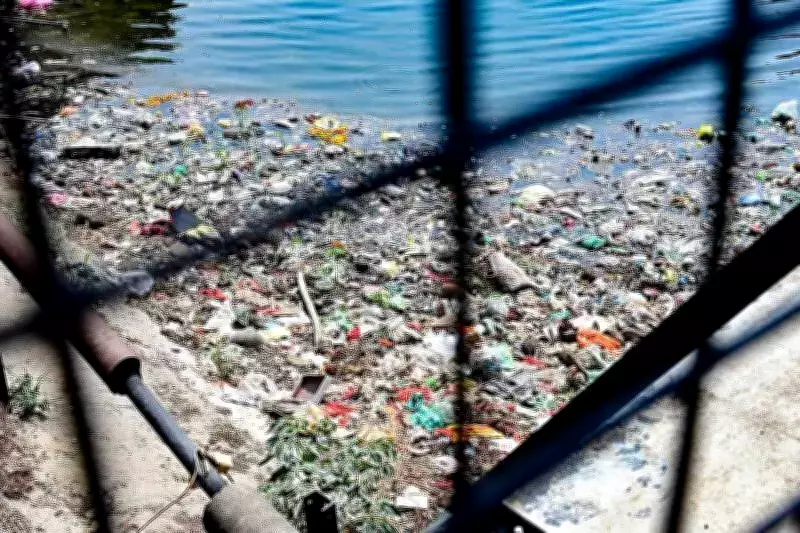
As the Swachh Survekshan 2025-26 audit draws near, the Nagpur Municipal Corporation (NMC) is bracing for a rigorous assessment of its sanitation claims. Despite projecting a strong performance in the 2024 report card, with perfect scores in residential areas, markets, and water bodies, ground realities reveal significant discrepancies. Over 400 garbage vulnerable points (GVPs) and visibly polluted lakes expose glaring weaknesses in the city's cleanliness framework, raising questions about the effectiveness of current strategies.
Persistent Garbage Dumps Challenge Door-to-Door Collection Claims
Garbage dumps continue to resurface across Nagpur, undermining NMC's assertion of near-total coverage in door-to-door waste collection. This persistent issue highlights a disconnect between official data and on-the-ground conditions, casting doubt on the city's ability to achieve the coveted Garbage-Free City (GFC) rating. Historically, Nagpur has underperformed in this category, moving from no star rating between 2020 and 2023 to just a 1-star rating in 2024, lagging behind other million-plus cities in India.
Polluted Water Bodies Undermine Cleanliness Scores
Major lakes, including Ambazari, Futala, Naik, and Lendi, remain visibly polluted despite NMC's claims of 100% cleanliness. Citizens report ongoing problems such as garbage accumulation, algae growth, and poor maintenance, indicating a casual and inconsistent approach to water body management. This parameter carries substantial weight in the Swachh Survekshan, making it a critical area for improvement as the audit shifts focus from surface-level optics to tangible outcomes.

Ambitious Waste Processing and Segregation Targets Face Uncertainty
On the technical front, NMC aims to increase waste processing from 60% to over 90% and segregation from 60% to 85%. While infrastructure like the Bhumi Green waste-to-energy plant has boosted capacity, the real test lies in actual utilization and daily compliance—areas where many cities falter during central audits. Legacy waste remediation, currently at 81%, and public toilet maintenance, at 80%, also remain weak spots requiring urgent attention to meet targets of over 90% and 95%, respectively.
Systemic Gaps and Inconsistent Performance Highlight Need for Data-Driven Strategy
Civic officials point to extensive monitoring, GPS-tracked vehicles, and app-based systems, but the persistence of garbage hotspots and poor segregation at source suggests a gap between technology and implementation. Experts recommend a targeted, data-driven strategy, analyzing top-performing cities and focusing on "low-hanging improvements" to boost scores quickly. Incremental gains in segregation, elimination of GVPs, and sustained lake cleanliness could significantly impact rankings.
Nagpur's national rank has shown inconsistency, slipping from 18 in 2020 to 27 in 2022 and 2023, with a modest recovery to 22 in 2024. This trajectory underscores the need for systemic changes. With Swachh Survekshan emphasizing outcomes over optics, NMC must bridge these gaps in the coming weeks to avoid falling short in India's premier urban cleanliness audit.






