

The two-hour immaculate 'Passing-Out Parade' at the National Defence Academy (NDA) is a demonstration of 'military precision' that stays with cadets forever. For cadets, the journey begins with a symbolic 'Pehla Kadam' (the first step) into military life, and three years later, it concludes with the emotional 'Antim Pag', transforming them from cadets to officers-in-the-making. These two moments and the period between them shape military leaders through discipline, tradition, and the relentless pursuit of perfection.
The Historic 150th Parade
The historic 150th Passing-Out Parade at the NDA once again displayed the combination of traditions, customs, and rituals that have been added over seven decades. Demonstrating the highest military standards, the parade and its customs were rehearsed countless times before the final day.
Champion Squadron and Positioning
For instance, the 'Champion Squadron', which has excelled in all aspects of training and holds the Chiefs of Staff Banner, occupies the extreme right position of the whole group (on the left of the spectators). Other squadrons take their respective positions on its left. The flags of respective squadrons are also positioned on the Quarter Master (QM) Fort in the same sequence.

Participation of Cadets
Along with the passing-out cadets, second to fifth term cadets also march with them. The first term cadets, however, cheer for them as they climb the mast ladder by loudly pronouncing the name of their course.
Traditional Address and Parade Command
Before coming to the Arun Khetrapal parade ground, as per tradition, the adjutant of the academy delivers 'Shabhashi', a motivational address, at the QM, adjacent to the parade ground. A tradition has evolved over the years that the adjutant, who arrives on the parade ground on a horse and is the last one to leave, has to conclude his address with a joke. There is only one parade commander, who could either be the academy cadet captain or the academy cadet adjutant of the passing-out course. Each squadron contingent is led by the respective squadron cadet captain (SCC) along with the divisional cadets captain (DCC).
Evolution of Arms and Fly-Past
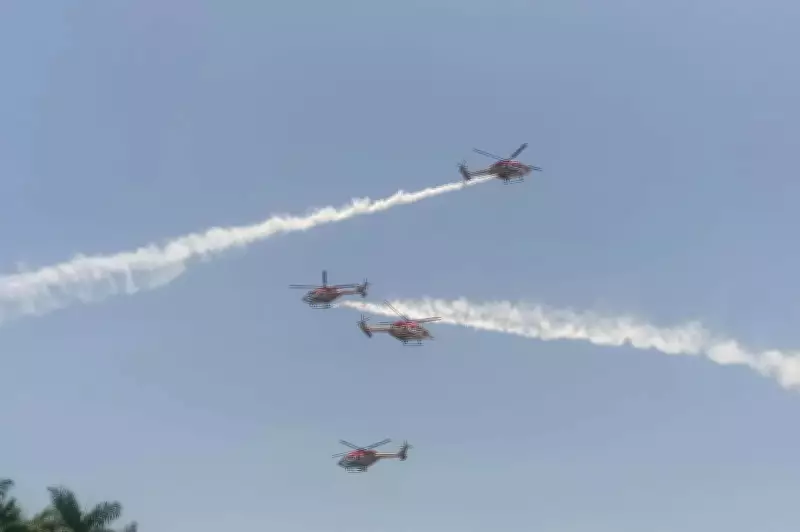
"Initially, cadets used to carry arms during the parade. In between years, they stopped carrying arms and cadets used to carry canes. After the Kargil operations, cadets started carrying weapons, and leading cadets started carrying swords," said Col Vinay Dalvi (retd), former Physical Training Officer of the NDA. The ear-deafening fly-past of the Indian Air Force fighter aircraft has been an integral part of the parade and remains one of the main attractions.






