Women's Workforce Participation: The Real Story Lies in Micro-Enterprises
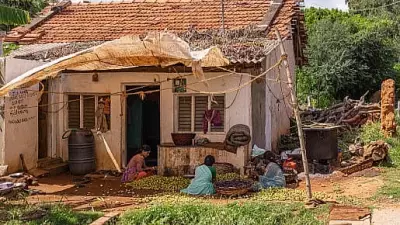
The debate on women in the workforce often revolves around corporate boardrooms and salaried jobs. Yet a recently published National Statistics Office (NSO) report reveals that the real story of women’s work is unfolding in the country’s unincorporated enterprises — the local grocery shops, tailoring units, food businesses, repair services, beauty parlours and many other micro-enterprises that keep the economy running.
The ‘Urban Unincorporated Enterprise Landscape: Annual Survey of Unincorporated Sector Enterprises-2025’ report shows that women are no longer just workers but are increasingly becoming entrepreneurs. They now own businesses, but the numbers also reveal that ownership has not yet translated into equal participation in employment.
Women as Business Owners: A Growing Presence
The report covers 46 cities with million-plus population and captures an unincorporated sector that accounts for a substantial share of India’s urban economy. Together, these cities contribute about 13 per cent of all unincorporated establishments, 16 per cent of workers and 21 per cent of the sector’s Gross Value Added (GVA), underlining why developments here matter for the national economy.

One encouraging trend is the growing presence of women as business owners. Several cities have over one-third of proprietary establishments owned by women. Surat tops with 43.2 per cent female-owned establishments, followed by Pune (40.65), Vadodara (40.72), Ahmedabad (40) and Pimpri Chinchwad (38.49 per cent). These success stories suggest that entrepreneurship is emerging as an important medium for women’s economic participation.
Striking Contrast: Ownership vs. Employment
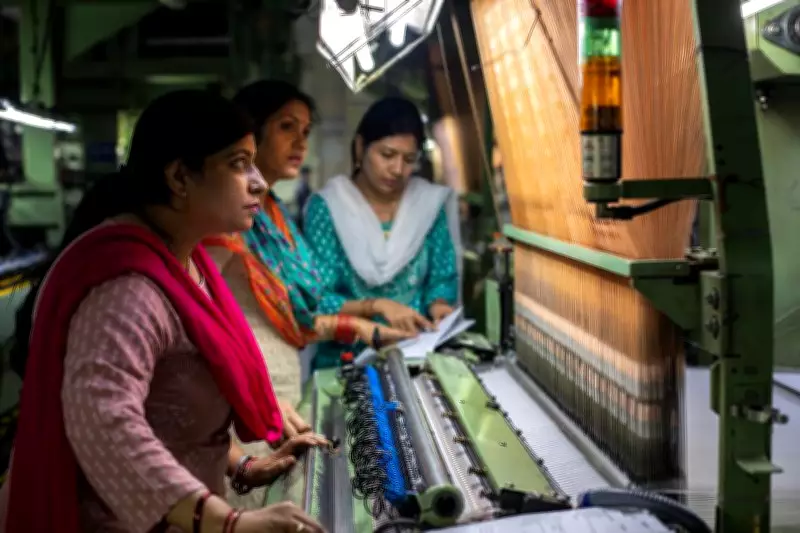
Ownership is only one side of the picture. Across these same cities, women remain significantly underrepresented as workers. Even in better-performing urban centres, female workers generally account for around one-third of the workforce. Greater Visakhapatnam records the maximum share of female workers at 42.51 per cent, followed by Surat (41.39), Vasai Virar (38.52), Vijayawada (36.89), Vadodara (36.28) and Madurai (35.56 per cent). At the other end of the spectrum are cities such as Srinagar (10.48 per cent), Varanasi (12.11) and even Delhi (13.5 per cent), highlighting how uneven women’s participation remains across India.
This contrast is perhaps the report’s biggest takeaway. In many cities, women are starting businesses, but these enterprises are not necessarily generating large-scale employment for other women. Entrepreneurship is opening doors, but it has not yet eliminated the structural barriers that continue to keep women out of the workforce. The reasons extend beyond economics. Safety concerns, unpaid care responsibilities, mobility constraints, access to credit, availability of affordable childcare and social norms continue to shape women’s ability to work. The NSO report does not directly measure these factors, but its data reflects their cumulative impact.
Lessons from the Report: Building a Supportive Ecosystem
Service activities, including education, health, personal care and hospitality, have traditionally provided better scope of opportunities for women, suggesting that future job creation in services could play a significant role in raising female labour force participation.
The lesson from the report is loud and clear. India’s women’s employment challenge cannot be addressed only through large industries or corporate hiring. The country must focus on providing an ecosystem that supports micro and small enterprises run by women through easier credit, digital access, market linkages, skilling, transport and childcare support. Also, such an ecosystem should be made with a goal of a safer work environment for women.
The NSO data makes it evident that women have already entered the marketplace as entrepreneurs. The next phase of India’s growth must ensure they are equally visible as workers, employers and wealth creators across the country, rather than bringing in a fragmented reflection of the same. The country would then come a step closer to unlock the full economic dividend of its female workforce.