

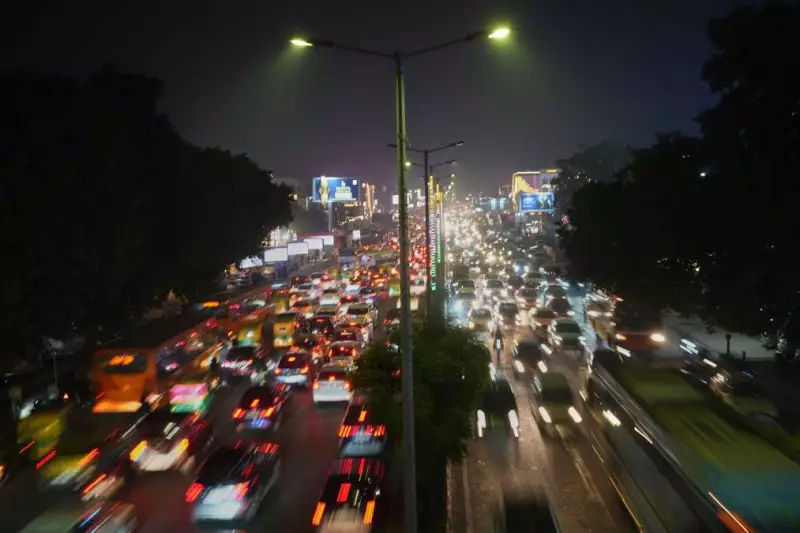
In a massive enforcement drive to combat the capital's severe air pollution, Delhi authorities have cracked down hard on vehicles violating environmental norms. Within a span of just 24 hours, law enforcement agencies issued a staggering number of penalties to errant drivers.
Unprecedented Enforcement Drive
The data reveals the scale of the action taken on December 18. Over 11,000 vehicles were challaned for contributing to pollution and breaking various traffic rules. This intense drive was part of a coordinated effort involving multiple agencies, including the Delhi Traffic Police and the Transport Department, to enforce the Graded Response Action Plan (GRAP) regulations currently in effect across the National Capital Region.
The violations were not limited to a single type of offence. Officials targeted a range of actions that worsen air quality, including:

- Plying of visibly polluting vehicles emitting excessive smoke.
- Use of vehicles without a valid Pollution Under Control (PUC) certificate.
- Violation of other GRAP-mandated restrictions related to vehicular movement.
The Context of the Crackdown
This aggressive enforcement comes at a critical time when Delhi and its surrounding areas are grappling with consistently poor air quality. The implementation of GRAP Stage-III measures, which include a ban on the operation of certain categories of vehicles, has made such enforcement actions paramount. The primary goal is to curb emissions from one of the city's most significant pollution sources: its massive vehicular fleet.
The 24-hour period saw teams deployed at numerous checkpoints across the city. They used both manual checks and automated systems to identify violators. The sheer volume of challans—exceeding 11,000—highlights both the widespread nature of non-compliance and the authorities' determination to address it through strict penalties.
Implications and Public Response
The crackdown sends a strong message to vehicle owners about the seriousness of pollution norms. Each challan carries a financial penalty, and repeat offenders could face more severe consequences. Authorities have emphasized that this is not a one-day campaign but a sustained effort that will continue as long as poor air quality persists.
Public reaction has been mixed. While environmental activists and health experts have welcomed the strict action as a necessary step, some commuters and transport operators have expressed concerns about the challenges of compliance, especially for older vehicles. However, the prevailing opinion among officials is that public health emergencies demand stringent measures.
This enforcement data serves as a crucial indicator of the on-ground challenges in fighting Delhi's annual air pollution crisis. It underscores the gap between rules and compliance, while also demonstrating the administrative machinery's capacity for large-scale action when directed towards a clear environmental objective. The success of such drives in actually improving air quality indices will be closely monitored in the coming days.






