

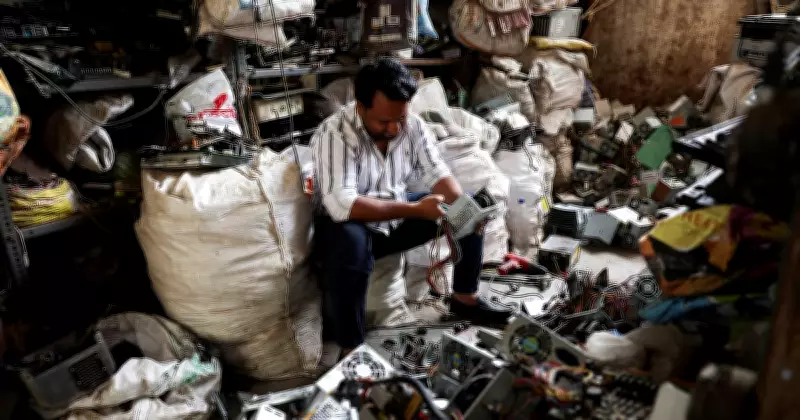
Karnataka is grappling with a mounting e-waste crisis as the volume of discarded electronic devices continues to surge, while recycling infrastructure remains inadequate. The state, a hub for IT and electronics, generates a significant portion of India's e-waste, but only a fraction is processed through formal recycling channels. This has raised environmental and health concerns, prompting policymakers to seek better regulatory measures.
The Growing E-Waste Problem
Rapid technological advancements and shorter product lifecycles have led to a flood of obsolete computers, smartphones, and other electronics. Much of this waste ends up in landfills or is handled by informal recyclers who use unsafe methods, releasing toxic substances like lead, mercury, and cadmium into the environment. Karnataka, with its high concentration of tech companies and urban population, is particularly affected.
Weak Recycling Infrastructure
Despite existing regulations, recycling capacity in the state falls short. Formal recycling facilities are limited, and collection systems are inefficient. Many consumers are unaware of proper disposal options, leading to e-waste being mixed with household trash. The Karnataka State Pollution Control Board (KSPCB) has acknowledged the challenge and is working to strengthen enforcement.

Extended Producer Responsibility (EPR) as a Solution
The Extended Producer Responsibility (EPR) policy is expected to bring significant improvements. Under EPR, manufacturers are held accountable for the entire lifecycle of their products, including take-back, recycling, and safe disposal. This approach incentivizes eco-friendly design and formal recycling. The policy aims to streamline e-waste management by setting collection targets and ensuring producers fund recycling operations.
Implementation and Challenges
Effective implementation of EPR requires robust monitoring and collaboration among stakeholders. Producers must register with authorities and report their e-waste management activities. However, challenges include lack of awareness, high compliance costs for small businesses, and the dominance of the informal sector. KSPCB is working on awareness campaigns and stricter enforcement to overcome these hurdles.
Way Forward
Strengthening recycling infrastructure, promoting consumer awareness, and enforcing EPR regulations are critical to tackling Karnataka's e-waste crisis. With concerted efforts from government, industry, and citizens, the state can turn this challenge into an opportunity for sustainable waste management.






