Uttar Pradesh Conducts Statewide Mock Drill During Blackout to Test Emergency Preparedness
A comprehensive mock drill was conducted across all 75 districts of Uttar Pradesh on Friday evening, simulating emergency scenarios during a complete blackout to assess the state's readiness for potential crises. The exercise, which began at 6 PM, involved coordinated efforts from multiple government departments and emergency response teams.
Multi-Agency Participation in the Emergency Simulation
The State Disaster Management Authority (SDMA), State Disaster Response Force (SDRF), Fire Brigade, police departments, health services, and Civil Defence volunteers all participated in the extensive drill. This exercise was organized by the Civil Defence Department following state government instructions issued on January 5th, coinciding with Uttar Pradesh Diwas and the birth anniversary of Netaji Subhas Chandra Bose.
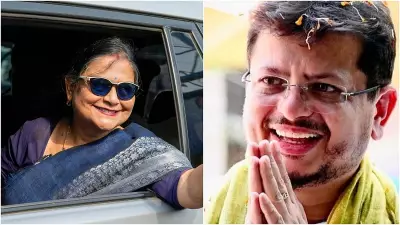
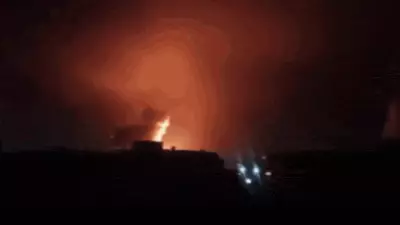
According to officials, Principal Secretary (Civil Defence) Sanyukta Samaddar issued detailed procedures for the drill. The simulation began with an immediate red alert for an air raid, signaled through sirens upon receiving information from the Civil Defence control room. Power supply to all designated areas was systematically cut off as part of the exercise.

Detailed Simulation of Emergency Scenarios
The mock drill involved multiple phases of emergency response:
- Civil Defence volunteers guided the public to designated bomb shelters and safe locations during the simulated blackout
- Fire control measures were implemented using fire extinguishers, blankets, and buckets to contain simulated fires
- The Health Department established medical posts at incident sites, with volunteers providing first aid to simulated casualties
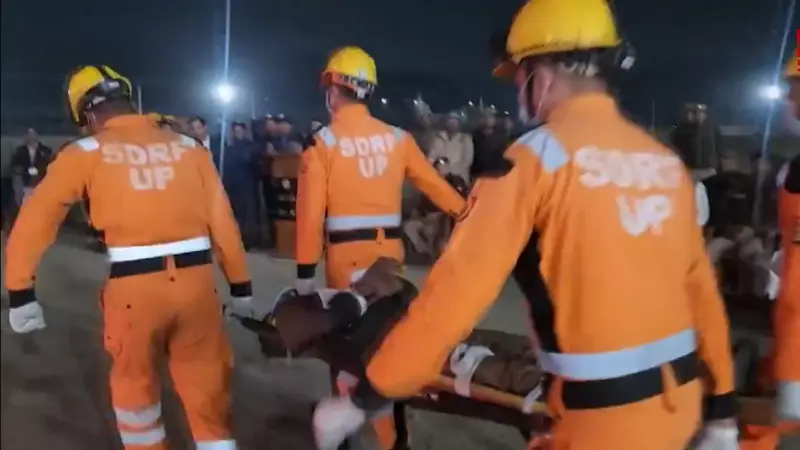
- Emergency rescue methods were employed to transport affected individuals to medical facilities
- SDRF and NDRF personnel arrived at incident sites to rescue individuals trapped in buildings
- NDRF teams assessed potential impacts of chemical, biological, radiological, and nuclear hazards
Following the initial emergency phase, a green alert signaled the end of simulated air raids. Response teams then conducted thorough inspections of incident sites and reported damage assessments to the control room.
District-Level Implementation and Official Response
In Muzaffarnagar district, the drill was conducted at the local DAV College, with power supply to the entire city being disconnected as part of the exercise. ADM Revenue Rajendra Kumar confirmed the district's participation in the statewide initiative.
A senior Civil Defence Department official stated that all participating districts and departments will submit detailed reports on the exercise to the state government for evaluation and improvement of emergency protocols.
Chief Minister Emphasizes Self-Sufficiency and Routine Preparedness
After observing the drill session at Police Lines in Lucknow, Chief Minister Yogi Adityanath addressed the importance of such exercises. "Today's mock drill inspires people to be ready for all kinds of situations, good or bad, war or peace," he stated. "People have accepted the role of Civil Defence as first responders for calamities or incidents."
The Chief Minister emphasized the broader societal implications of emergency preparedness: "Dependence on the government for everything is not the sign of a self-sufficient society. Today's mock drill has shown that Civil Defence, which has been formed in all 75 districts of UP, is not just restricted to times of peace or festivals but would also be ready to handle any war-like situation forced upon us by the enemy."
Adityanath concluded with a call for institutionalizing such preparedness measures: "Such drills should be made a routine practice to ensure our state remains prepared for any eventuality." This statement underscores the government's commitment to building a resilient society capable of responding effectively to emergencies without excessive reliance on external assistance.