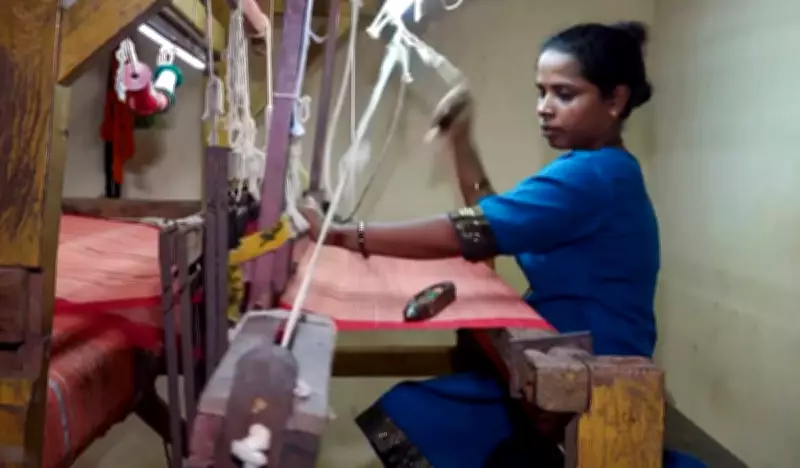
In a significant move aimed at revitalizing India's traditional textile heritage, Finance Minister Nirmala Sitharaman unveiled the Mahatma Gandhi Handloom scheme during the presentation of the Union Budget 2026. This ambitious initiative is designed to inject new energy into the handloom sector, which has long been a cornerstone of India's cultural and economic fabric.
Comprehensive Support for Handloom Artisans
The scheme outlines a multi-pronged strategy to empower handloom weavers and boost the overall competitiveness of the textile industry. A key focus is on providing global market linkages, enabling artisans to access international markets and showcase their exquisite craftsmanship to a worldwide audience. This effort is complemented by robust branding support, aimed at enhancing the visibility and appeal of Indian handloom products both domestically and abroad.
Streamlining Training and Production Quality
To ensure sustainable growth, the Mahatma Gandhi Handloom scheme prioritizes the streamlining of training and skilling programs for weavers. By upgrading their skills and adopting modern techniques, artisans can improve productivity and meet evolving market demands. Additionally, the initiative emphasizes production quality reforms, setting higher standards to maintain the authenticity and excellence of handloom textiles.

Flagship Reform Push in Textile Industry
Beyond the handloom sector, the Union Budget 2026 signals a broader reform push in the textile industry. This includes measures to enhance infrastructure, promote innovation, and foster a conducive environment for investment. The government's commitment to transforming the textile landscape is evident in its holistic approach, which integrates traditional practices with contemporary market dynamics.
The announcement has been met with optimism from stakeholders, who view it as a timely intervention to preserve India's rich handloom heritage while driving economic growth. As the scheme unfolds, it is expected to create new opportunities for artisans, strengthen the textile value chain, and position India as a global leader in sustainable and culturally significant textiles.