The Union Cabinet on Wednesday approved an increase in the minimum support prices (MSP) for 14 kharif crops for the marketing season 2026-27, with the most widely grown kharif crop, paddy, receiving a hike of Rs 72 per quintal, representing a 3% rise to reach Rs 2,441 per quintal.
Highest hikes in oilseeds
The highest absolute increase in MSP over the previous year has been recommended for sunflower seed (Rs 622 per quintal), followed by cotton (Rs 557 per quintal), niger seed (Rs 515 per quintal), and sesamum (Rs 500 per quintal). This signals farmers to primarily opt for oilseeds over other crops to reduce the country's edible oil import bill.
Margin over cost of production
The expected margin for farmers over their cost of production is estimated to be highest in the case of moong (61%), followed by bajra (56%), maize (56%), and tur/arhar (54%). This is in continuation of the government's focus on crop diversification to bring pulses and millets to the forefront of farmers' choice. In both percentage and absolute terms, the hike in MSP for maize and moong figured at the bottom of the list.

Implementation and payout
The hike, approved by the cabinet, will come into force from the marketing season beginning October 1. Kharif crops are sown during the monsoon season (June-September) and harvested in October-November. The government estimates the total payout to farmers at Rs 2.6 lakh crore, factoring in projected annual procurement of 824.4 lakh tonnes.
Government's assurance
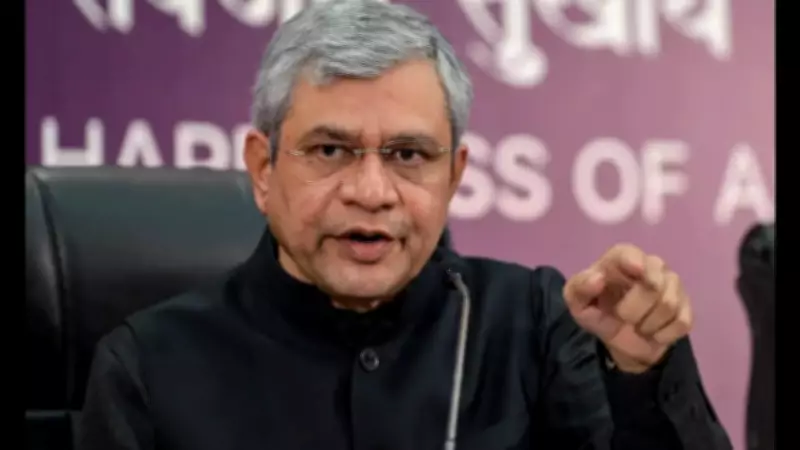
Union Information and Broadcasting Minister Ashwini Vaishnaw said the new MSPs have been fixed to ensure remunerative prices for farmers and are at least 50% above the cost of production across all 14 crops — jowar, sunflower seed, cotton, soybean, ragi, tur/arhar, niger seed, urad, sesamum, bajra, groundnut, paddy, maize, and moong. The all-India weighted average cost of production includes costs such as hired labour, rent for leased land, and expenses on seeds, among others.