In a significant move towards environmental conservation and public health, the district of Gadchiroli has achieved a major milestone. An estimated 41,000 tonnes of firewood will be saved annually following the free distribution of 20,000 smokeless stoves by the government and its private partners. This information was provided by the district collector's office.
Distribution and Impact
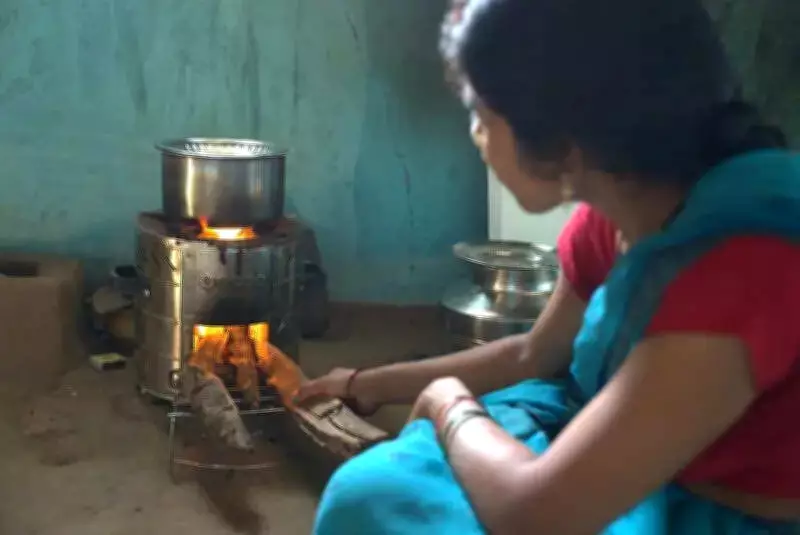
The stoves were distributed to households across Dhanora and Etapalli talukas. Officials report that beneficiaries have experienced a substantial reduction in indoor smoke and air pollution. A smokeless stove, also known as a smokeless chulha, is an efficient cooking device designed to burn firewood with near-complete combustion. This drastically cuts indoor air pollution and lowers fuel consumption.
How Smokeless Stoves Work
Unlike a traditional chulha, the smokeless stove uses a secondary combustion chamber that burns unburnt gases escaping from the primary fire, converting them into heat rather than smoke. Engineered vents supply controlled oxygen, ensuring cleaner burning and greater thermal efficiency. This innovative design not only reduces smoke but also maximizes heat output.

Adoption and Benefits
The collector's office stated that over 19,600 families have adopted the improved stoves so far. Around 95% of these families reported a significant reduction in time spent on cooking and collecting firewood, freeing up time for education and self-employment. Before the initiative, many women made daily trips into forests to gather fuelwood. The improved stoves have reduced their dependence on firewood, thereby saving forests and reducing drudgery.
Environmental Gains
The initiative is expected to prevent approximately 9,200 tonnes of carbon dioxide-equivalent greenhouse gas emissions each year. This aligns with global efforts to combat climate change and improve air quality.
Government's Vision
Chief Minister Devendra Fadnavis praised the initiative, stating that it has brought positive change to tribal families in Dhanora and Etapalli. He added that the model could be extended to other remote districts across the state, potentially amplifying the benefits to many more communities.