

Haryana Accelerates Electric Mobility with New Charging Infrastructure and Consumer Rebates
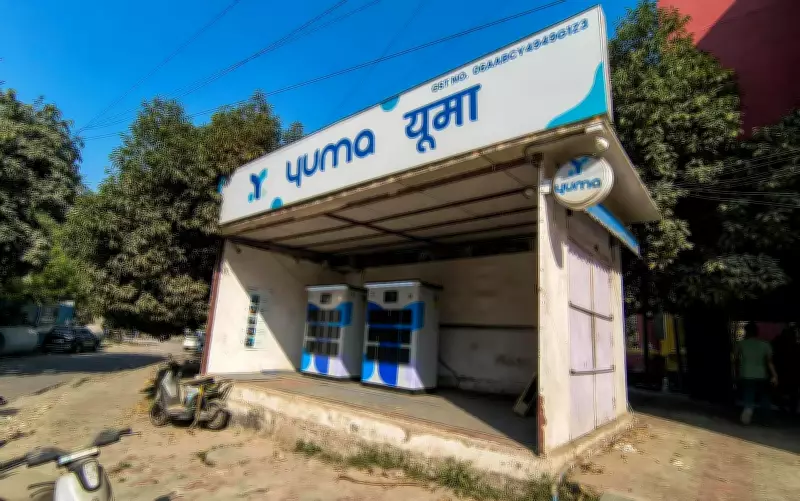
In a significant push to promote electric vehicles (EVs), the Haryana Electricity Regulatory Commission (HERC) has issued directives to power distribution companies (discoms) to install new EV charging stations across five key cities: Panchkula, Faridabad, Panipat, Karnal, and Gurgaon. This initiative aims to bolster the state's EV infrastructure and encourage the adoption of cleaner transportation alternatives.
Consumer-Friendly Rebate Approved for Smart Meter Users
In a parallel consumer-friendly move, the commission has approved a 5% rebate on both energy and fixed charges for users with prepaid smart meters. This financial incentive is designed to reward consumers who adopt modern metering technology while supporting the broader goal of energy efficiency.
Current EV Charging Landscape in Haryana
Haryana currently boasts approximately 920 public EV charging stations, with Gurgaon leading the state with over 150 stations. Gurgaon also has the highest charging station density in Haryana at 0.11 stations per square kilometer, making it a pilot city for this expansion initiative. The state's efforts are part of a larger strategy to enhance EV accessibility and reduce carbon emissions.

Discoms Directed to Facilitate Rapid Deployment
HERC has mandated that discoms facilitate the setting up of charging stations by increasing system capacity and expanding their network. Funding for these projects is available through the revamped distribution sector scheme (RDSS). To accelerate deployment, discoms have been directed to provide electricity connections to public charging stations within seven days, streamlining the installation process.
"The directions aim to strengthen EV infrastructure, encourage cleaner transport, and provide financial relief to consumers," said a spokesperson from the Dakshin Haryana Bijli Vitran Nigam (DHBVN).
Resident Feedback and Industry Impact
Jatin Gulati, a resident who has been driving an EV for the past year, welcomed the initiative. "The increase in charging stations will encourage adoption of the environment-friendly alternative. There are private players in EV charging stations, but entry of government agencies in this segment will help in maintaining affordability," he noted.
These directives were part of an HERC order dated March 25, 2026, in which the commission also decided not to increase electricity tariffs for the financial year 2026-27. This decision provides major relief to the industrial sector in Haryana, especially as power distribution companies had cited a revenue gap of approximately Rs 4,500 crore in their annual revenue requirement (ARR) and sought tariff hikes.
Focus on Operational Efficiency Over Tariff Increases
Rejecting the demand for higher tariffs, the commission directed discoms to improve operational efficiency and reduce line losses to bridge their revenue deficit. This approach emphasizes cost management and service enhancement rather than passing costs onto consumers.
Deepak Maini, chairperson of the Progressive Federation of Trade and Industry (PFTI), commented on the tariff decision. "The absence of any tariff increase is a major relief for industries. However, we are disappointed over the non-acceptance of the proposal to reduce the fixed charge of Rs 290 per kVA," he stated, highlighting both the benefits and ongoing concerns from the industrial perspective.
This comprehensive strategy by Haryana not only expands EV infrastructure but also integrates consumer incentives and industrial support, positioning the state as a leader in sustainable mobility and energy management.






