Karnataka's Rural Circular Economy Policy Aims to Stem Distress Migration from Villages
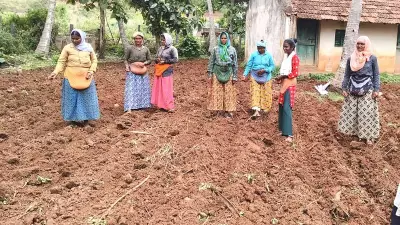
The Rural Development and Panchayat Raj (RDPR) department in Karnataka is currently drafting a comprehensive rural circular economy policy specifically designed to address and reduce distress migration from villages across the state. This strategic initiative emerges against the backdrop of significant policy shifts, including the rollback of the Mahatma Gandhi National Rural Employment Guarantee Act (MGNREGA) and the implementation of the G RAM G scheme, which experts caution might redirect employment opportunities from small, marginalized hamlets to larger infrastructure projects.
Policy Development and Stakeholder Engagement
A preliminary meeting to discuss the framework of this policy was conducted earlier this week, with a targeted rollout set for the year 2026. The department is actively identifying and engaging various stakeholders to seamlessly integrate circular economy principles into key sectors such as solid waste management, textiles, and electronic waste (e-waste). Randeep D, the RDPR Secretary, confirmed that initial discussions have concluded, and the policy is now beginning to take definitive shape.
"Stakeholder consultations involving private players operating within the circular economy sphere will be organized this month to gather valuable inputs and insights. Additionally, government stakeholders will be consulted to ensure effective inter-departmental coordination and alignment," Randeep stated. He further emphasized that the department plans to leverage existing financial resources rather than seeking fresh allocations, thereby optimizing current budgetary provisions.

Strategic Framework and Implementation Approach
During the discussions, the department explored innovative ways to utilize ongoing schemes from various state departments by extracting components relevant to the circular economy. For instance, skill development initiatives can be supported through collaborations with the Skill Development Department and the National Rural Livelihoods Mission (NRLM). The draft policy primarily focuses on preventing waste generation and minimizing environmental impact throughout the entire life cycle of materials.
It adopts a robust '9R' circularity framework, which encompasses strategies such as recovering energy from waste, repurposing discarded products, and remanufacturing parts into new items. This holistic approach aims to create sustainable economic opportunities within rural communities, thereby addressing the root causes of migration.
Expert Insights and Migration Concerns
Experts believe that this policy could play a pivotal role in stemming distress migration from rural areas. Nikhil Dey, a founder-member of the Mazdoor Kisan Shakti Sangathan, expressed concerns regarding potential distress under the G RAM G scheme, which aligns with broader national initiatives like Viksit Bharat and PM Gati Shakti. He warned that prioritizing large-scale infrastructure projects over local, community-centric works—such as connecting marginalized hamlets to essential services like hospitals—could inadvertently spur large-scale migration.
Shobha Raghavan, the Chief Operating Officer of Saahas Zero Waste Pvt Ltd, highlighted that promoting rural micro-entrepreneurship can effectively prevent distress migration. She stressed the urgent need to "formalize the workforce and ensure regular skilling to improve livelihoods and economic stability." Raghavan also pointed out the phenomenon of urban 'waste migration' to rural peripheries, noting, "So far, without an industry status, centralized programmes were lacking. However, now, both the Centre and the state have begun drafting policies to address these challenges comprehensively."
This policy represents a significant step towards fostering sustainable rural development, enhancing local economies, and creating resilient communities that can thrive without the necessity of migration.