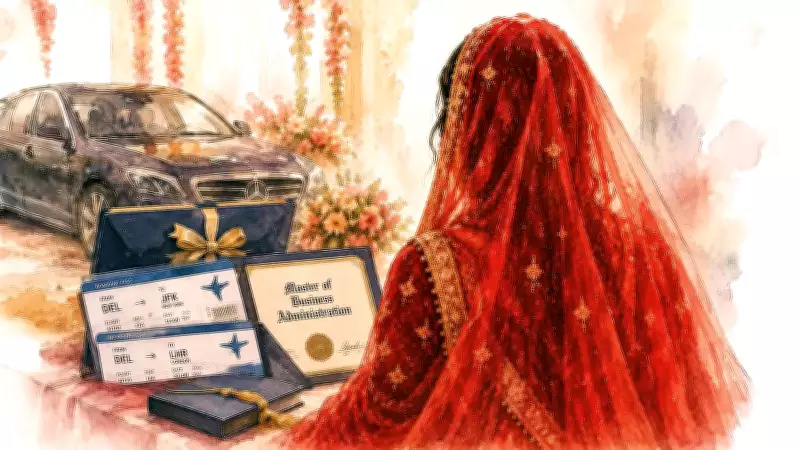
A video circulated widely in 2024 sparked outrage and familiarity. At a wedding in north India, a man recited 'gifts' for the groom: a Mercedes-Benz E200, a Toyota Fortuner, 1.25 kg of gold, 7 kg of silver, and Rs 72 lakh in cash. None of the guests appeared shocked, highlighting how dowry survives in modern India.
Dowry Disguised as Gifts
Public outrage over dowry has resurfaced after recent deaths, including Twisha Sharma in Bhopal, Deepika Nagar in Greater Noida, and Pushpendri Devi in Meerut. However, experts working with survivors of marital violence across India note that the word 'dowry' is used less frequently. It hides behind socially accepted terms like 'gifts', 'help', 'support', and 'settling the couple'.
Changing Forms of Dowry
Today, dowry often includes paying for the groom's loan EMIs or MBA fees. This new disguise makes it harder to identify and combat. The practice remains deeply entrenched, with families demanding financial support under the guise of helping the newlyweds.

- Brides are expected to cover educational expenses and loan repayments.
- These demands are framed as 'help' rather than dowry.
- Legal and social awareness campaigns struggle to address these evolving forms.
Impact on Brides
This modern dowry places immense financial burden on brides and their families. It perpetuates gender inequality and can lead to marital discord, violence, or even death. Activists call for stricter enforcement of anti-dowry laws and greater societal change to eradicate the practice entirely.
- Financial strain on brides' families increases.
- Marital violence remains a risk when demands are unmet.
- Education and awareness are key to changing mindsets.
As dowry evolves, so must efforts to stop it. Recognizing these new forms is the first step toward meaningful change.