Punjab Government Unveils Universal Healthcare Scheme with Rs 10 Lakh Annual Cover
The Aam Aadmi Party-led Punjab government has officially launched the Mukh Mantri Sehat Yojana (MMSY), a groundbreaking universal healthcare initiative that promises to transform medical accessibility across the state. This ambitious scheme provides comprehensive cashless medical treatment of up to Rs 10 lakh per family annually, effectively doubling the previous coverage limit of Rs 5 lakh available under earlier health insurance arrangements.
Universal Coverage Without Income Restrictions
In a significant departure from means-tested welfare programs, the Mukh Mantri Sehat Yojana imposes no income limitations on eligibility. The scheme encompasses all bonafide residents of Punjab, creating a single healthcare coverage framework for the entire state population. Government employees, pensioners, contractual workers, and individuals engaged with various government bodies are all included under this comprehensive umbrella.
Eligibility verification relies primarily on Aadhaar cards and Voter ID documents, with children under 18 covered through their parents' or guardians' identification papers. The state administration estimates that approximately 65 lakh families, translating to nearly 3 crore individuals, will benefit from this healthcare revolution.

Extensive Medical Packages and Hospital Network
The scheme incorporates an impressive array of 2,300 medical treatment packages spanning secondary and tertiary healthcare services. Coverage extends across multiple medical specialties including:
- Cardiology and heart procedures
- Oncology and cancer care
- Neurology with brain and spine surgeries
- Nephrology including kidney dialysis and transplants
- Orthopaedics featuring knee and hip replacements
- General medicine with comprehensive diagnostic procedures
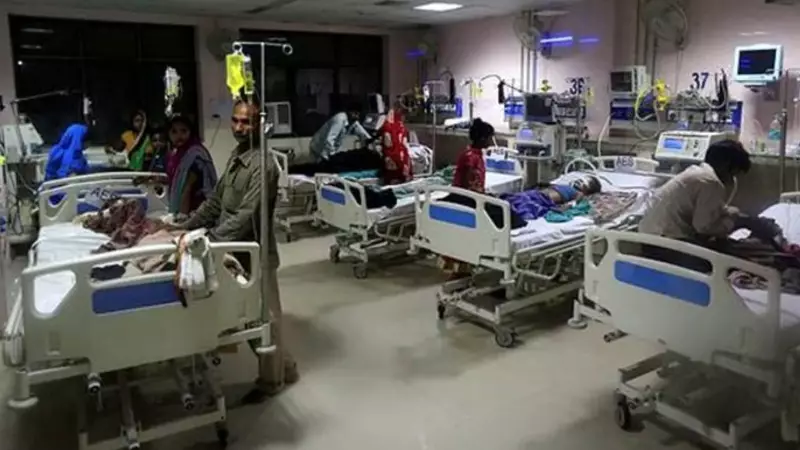
Additionally, the scheme covers maternity and newborn care, emergency and trauma services, ICU treatments, and expenses related to pre-hospitalization and post-hospitalization care. Beneficiaries can access these services through a network of 823 empanelled hospitals across Punjab, including government facilities, district hospitals, community health centers, medical colleges, and numerous private institutions.
Implementation and Enrollment Process
To facilitate seamless access, families receive a single Mukh Mantri Sehat Yojana health card that serves as the primary document for availing cashless treatment. Enrollment can be completed through multiple channels:
- Physical registration at designated sewa kendras
- Online registration using Aadhaar and Punjab Voter ID
- Door-to-door outreach by trained youth club members
Under the cashless treatment mechanism, beneficiaries are not required to make any payments at hospitals. Empanelled institutions provide treatment after verifying the health card and subsequently submit claims to the implementing agency for reimbursement within stipulated timeframes.
Financial Structure and Sustainability Concerns
The scheme operates through a hybrid financial model with significant budgetary implications. Insurance coverage of Rs 1 lakh per family is provided through United India Insurance Company, while the remaining coverage up to Rs 10 lakh is directly funded by the Punjab government through the State Health Agency. A substantial budgetary provision of Rs 1,200 crore has been allocated for implementation.
Chief Minister Bhagwant Mann has emphasized the government's objective to ensure that no Punjab resident is denied medical treatment due to financial constraints. By offering universal, cashless healthcare without income-based discrimination, Punjab joins a select group of states attempting population-wide health coverage through a single comprehensive program.

However, significant skepticism surrounds the scheme's long-term sustainability, particularly given Punjab's existing debt burden exceeding Rs 22,000 crore. Questions have emerged regarding the state's capacity to maintain such an expensive tertiary healthcare program for nearly 3 crore people. These concerns are amplified by previous payment issues with private hospitals under earlier health insurance schemes, where approximately Rs 600 crore in pending dues led to suspension of cashless treatments in 2024-2025.
The Punjab and Haryana High Court has already issued notices regarding persistent payment delays in December 2025, highlighting potential challenges in the scheme's financial management. As awareness and enrollment increase, utilization rates may rise sharply, further testing the program's fiscal viability and implementation efficiency.