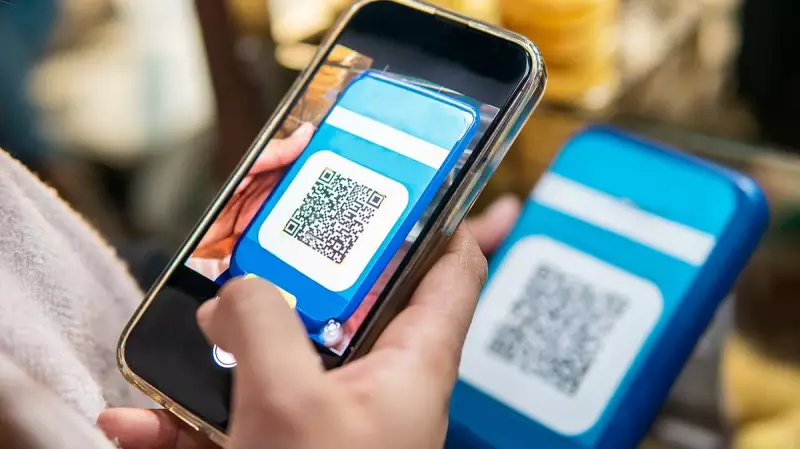
The Karnataka government has rolled out a new digital initiative to enhance the delivery of essential commodities to beneficiaries under a key welfare scheme. The administration has introduced QR code technology at fair price shops across the state to facilitate and monitor the distribution of Indira kits.
What is the Indira Kit?
This kit is provided as a substitute for the 10 kilograms of rice that eligible families were supposed to receive under the state's Anna Bhagya food security program. The contents of the Indira kit are designed to offer a more balanced nutritional package. Each kit contains 5 kilograms of rice, along with other staple food items including toor dal (pigeon pea), sunflower oil, sugar, and salt.
How the QR Code System Works
The implementation of QR codes marks a significant step towards digitizing the public distribution system (PDS). Beneficiaries can now collect their Indira kits by presenting a unique QR code, likely linked to their ration card, at their designated fair price shop (FPS). This system aims to achieve multiple objectives:

- Reduce Leakages: The digital trail minimizes the chances of diversion or pilferage of supplies.
- Ensure Transparency: Real-time tracking ensures that the kits reach the intended recipients.
- Streamline Process: It simplifies verification for both shop owners and beneficiaries, making the distribution faster and more efficient.
Impact and Future Implications
The move, reported by Rashmi Belur and published on December 1, 2025, represents a continued push by the state government to leverage technology for governance. By integrating QR codes, Karnataka is modernizing its welfare delivery mechanism, potentially setting a benchmark for other states. The shift from a bulk rice entitlement to a curated kit with multiple food items, now supported by digital verification, addresses both nutritional needs and logistical challenges in the PDS chain.
This innovation is expected to bring greater accountability and satisfaction among the millions of beneficiaries who rely on state support for their food security. It underscores a broader trend of using simple digital tools to solve complex public distribution problems in India.