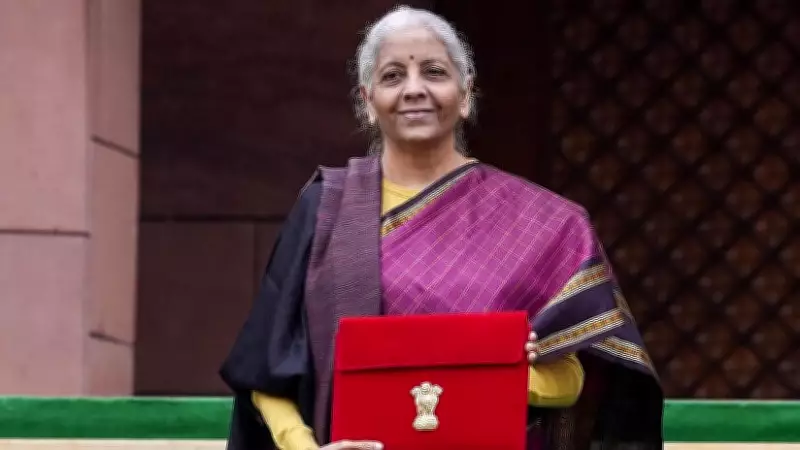
Union Budget 2026: Nirmala Sitharaman's Kanjeevaram Silk Saree Honors Tamil Nadu Tradition
Finance Minister Nirmala Sitharaman presented her ninth Union Budget on February 1, 2026, but it was her choice of attire that captured significant attention alongside the fiscal announcements. For this important occasion, she donned a traditional Kanjeevaram silk saree from Tamil Nadu, continuing what has become a cherished tradition in Indian politics.
The Significance of Saree Diplomacy
Colloquially termed 'saree diplomacy', this practice has evolved into a meaningful tradition where the finance minister uses her budget day attire to honor regional textiles and skilled artisans across India. Sitharaman's consistent choice to wear handwoven sarees from different states serves multiple purposes:
- Showcasing India's rich textile heritage
- Supporting local artisans and weavers
- Promoting traditional craftsmanship on a global stage
- Creating cultural connections through fashion
Kanjeevaram Silk: A Symbol of Tamil Nadu's Craftsmanship
The Kanjeevaram silk saree worn by Sitharaman represents one of India's most prestigious textile traditions. Originating from Kanchipuram in Tamil Nadu, these sarees are renowned for their:

- Intricate Designs: Featuring traditional motifs and patterns
- High-Quality Silk: Known for durability and rich texture
- Vibrant Colors: Using pure zari (gold thread) work
- Cultural Significance: Often worn for weddings and special occasions
By choosing this particular saree, Sitharaman not only honored Tamil Nadu's textile heritage but also brought attention to the skilled artisans who continue this centuries-old craft.
Evolution of a Budget Day Tradition
What began as a personal choice has now evolved into an anticipated tradition. Each year, observers and fashion enthusiasts alike wait to see which regional textile Sitharaman will showcase during her budget presentation. This practice has:
- Created awareness about different weaving traditions across India
- Provided economic visibility to artisan communities
- Established a unique connection between fiscal policy and cultural expression
- Inspired discussions about sustainable fashion and traditional crafts
The tradition has become so established that it now forms part of the broader budget day narrative, complementing the economic discussions with cultural significance.
Broader Impact on Indian Textile Promotion
Sitharaman's consistent focus on regional textiles through her budget day attire has had several positive effects:
- Economic Support: Increased visibility often translates to better market opportunities for artisans
- Cultural Preservation: Highlights the importance of preserving traditional crafts
- National Integration: Showcases diversity while celebrating unity through textiles
- Global Recognition: Presents India's rich textile heritage to international audiences
This approach aligns with broader government initiatives to promote Indian handicrafts and textiles, creating synergy between policy and practice.
As India continues to balance economic development with cultural preservation, traditions like Sitharaman's budget day saree choices serve as powerful reminders of the country's rich heritage. The Kanjeevaram silk saree from Tamil Nadu worn for Union Budget 2026 represents not just a fashion statement, but a meaningful gesture toward honoring India's diverse textile traditions and the artisans who keep them alive.