

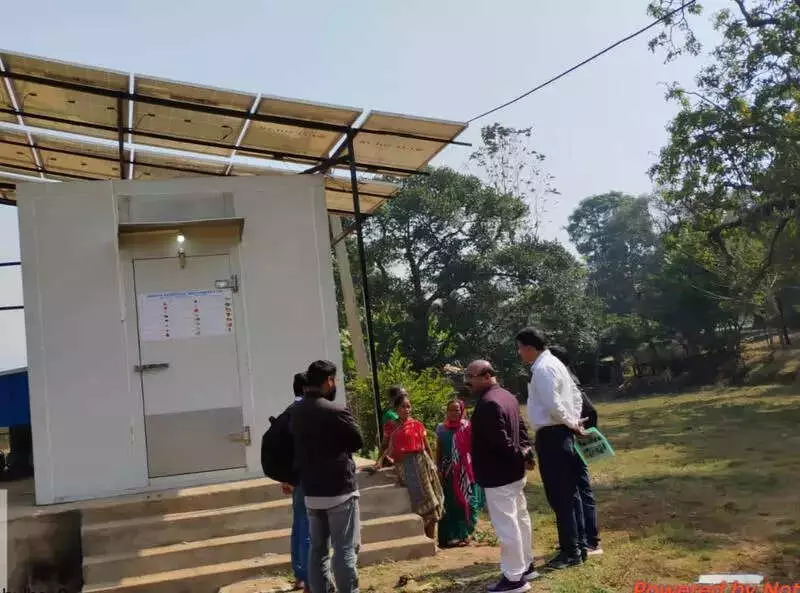
In a significant boost to tribal agriculture in Odisha, the Kandhamal district administration has successfully installed two innovative solar-based cold chambers in the Phulbani and Phiringia blocks. These facilities are designed to empower local tribal farmers by providing much-needed storage solutions for their vegetable produce.
Strategic Installation in Remote Villages
The two cold storage units, each with a capacity of 10 metric tons, have been strategically set up in the villages of Kumuriguda and Podapoda. This initiative represents a collaborative effort between the Integrated Tribal Development Agency (ITDA) in Phulbani and the district horticulture department, aiming to address critical post-harvest challenges faced by farmers in these remote areas.
Financial Framework and Community Contribution
Each cold chamber project has been developed with an investment of Rs 14.9 lakh. The funding structure demonstrates a multi-tiered approach to rural development. The horticulture department contributed Rs 11 lakh per chamber under its Mission for Integrated Development of Horticulture scheme, while an additional Rs 3.4 lakh was allocated under the special centre assistance to tribal sub-scheme.

Remarkably, local women Self-Help Groups (SHGs) have actively participated in this initiative, contributing Rs 50,000 each toward the project costs. These SHGs have been entrusted with the management and operation of the cold chambers, creating sustainable livelihood opportunities within the community.
Transforming Agricultural Economics
Tribal farmers in Kandhamal district cultivate a diverse range of vegetables including tomatoes, cabbage, cauliflower, beans, and brinjal. Historically, the absence of proper cold storage facilities forced these farmers to sell their produce immediately after harvest, often at distress prices dictated by market intermediaries.
"With the establishment of the cold chambers, tribal farmers can now store their products strategically and sell when market demand is favorable," explained P Murali Mohan, project manager of ITDA, Phulbani. This capability fundamentally changes their bargaining position and income potential.
Comprehensive Training and Infrastructure Development
The project extends beyond mere storage facilities. Women members of the SHGs have received specialized training in operating and maintaining the solar cold storages, ensuring long-term sustainability of the initiative. Furthermore, each cold chamber is complemented by vegetable nurseries spread across two acres of land nearby.
To support these nurseries, authorities have proposed installing deep borewells adjacent to each site, which would guarantee year-round irrigation facilities. Farmers can access quality saplings from these nurseries for their seasonal crops, creating an integrated agricultural ecosystem that supports production from planting to post-harvest management.
Sustainable Impact on Tribal Livelihoods
This solar-powered cold storage initiative represents a model of sustainable rural development that addresses multiple challenges simultaneously. By harnessing renewable energy, the project reduces operational costs and environmental impact while providing critical infrastructure that was previously unavailable in these remote tribal areas.
The combination of government support, community participation, and appropriate technology creates a replicable framework that could potentially transform agricultural economics across similar tribal regions in India. As Gadadhar Patra, project administrator of ITDA, Phulbani, noted, the active involvement of women SHGs in both financing and managing the facilities ensures community ownership and increases the likelihood of long-term success.






