Uttar Pradesh Cabinet Approves Landmark Rehabilitation Plan for Displaced Hindu Families
The Uttar Pradesh state cabinet has given its crucial approval to a significant rehabilitation initiative aimed at providing support to Hindu families who were displaced from East Pakistan, which is present-day Bangladesh. These families have been residing in the state's Meerut division, and the decision marks a pivotal step towards addressing their long-standing plight.
Background of the Displacement Case
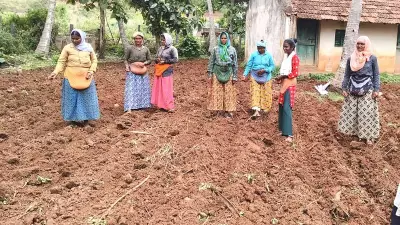
This case specifically involves 99 Hindu Bengali families who were forced to leave their homes in East Pakistan due to historical conflicts and displacement. Over the years, these families have been living illegally on land located at the lakefront in Nagla Gusai village, which falls under the Mawana tehsil of Meerut division. The lack of legal status has posed numerous challenges for their livelihood and security.
Details of the Rehabilitation Plan
In a move to ensure their dignified resettlement, the cabinet has decided to rehabilitate all 99 families in the Rasulabad tehsil of Kanpur Dehat district. An official involved in the process provided detailed insights into the allocation of land for this purpose.

Land Allocation Breakdown:
- 50 families will be settled on 11.1375 hectares of land that is registered in the name of the rehabilitation department in Bhainsa village.
- The remaining 49 families will be settled on 10.530 hectares of land, also registered under the rehabilitation department, in Tajpur Tarsauli village.
Each family is set to receive an allotment of 0.50 acres of land. This allocation is designed to provide them with a stable foundation for rebuilding their lives.
Lease Terms and Environmental Considerations
The land will be provided on a 30-year lease basis, which can be either on a premium or lease rent arrangement. Importantly, this lease is renewable for additional periods of 30 years each, with a maximum lease duration capped at 90 years. This long-term approach aims to offer security and continuity for the displaced families.
An official emphasized that this decision not only focuses on humanitarian rehabilitation but also incorporates environmental protection measures. By formalizing the settlement and providing legal land rights, the plan seeks to prevent further encroachment and degradation of sensitive areas like the lakefront, thereby ensuring a sustainable and secure environment for both the families and the ecosystem.
This comprehensive rehabilitation effort underscores the state government's commitment to addressing the needs of displaced communities while balancing ecological concerns. It represents a significant stride towards social justice and environmental stewardship in Uttar Pradesh.