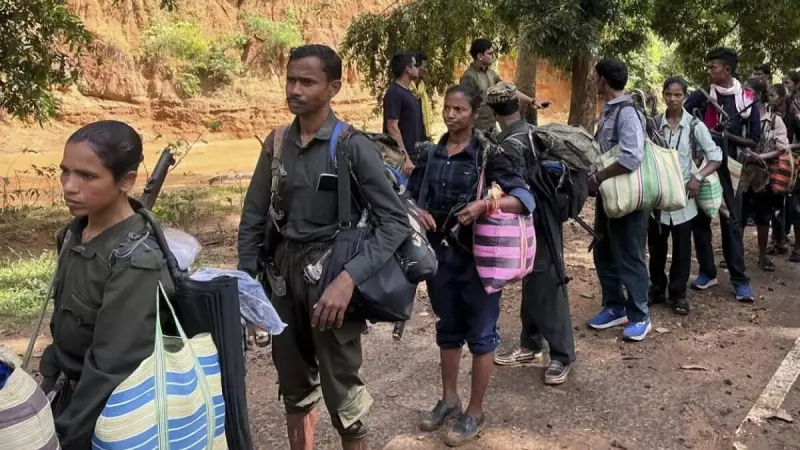
In a significant development for India's internal security landscape, the year 2025 witnessed a major surrender of Maoist cadres in the state of Telangana. A total of 509 individuals associated with Left Wing Extremist groups laid down their arms, marking one of the largest such events in recent times.
Geographical Breakdown of the Surrendered Cadres
The data reveals a striking pattern in the origins of the surrendered Maoists. The overwhelming majority, a staggering 483 cadres, were originally from the neighboring state of Chhattisgarh, a region long considered a hotbed of Naxalite activity. In contrast, only 24 of the surrendered individuals were native to Telangana itself. The remaining two cadres included one each from the states of Maharashtra and Andhra Pradesh.
Timing and Reporting of the Event
This crucial information was reported and confirmed on 30 December 2025. The details were brought to light, highlighting a coordinated effort likely involving state police and central agencies. The scale of the surrender points towards intensified counter-insurgency operations and possibly robust rehabilitation policies aimed at encouraging Maoists to return to the mainstream.

Implications for Security and Rehabilitation
The mass surrender of 509 Maoist cadres is a substantial blow to the operational capabilities of Left Wing Extremist groups in the Telangana-Chhattisgarh border region. It underscores a potential shift in the dynamics of the decades-old conflict. Security analysts suggest this could be the result of multiple factors:
- Sustained pressure from security forces.
- Effective outreach and confidence-building measures by the government.
- Disillusionment within the Maoist ranks.
The event now places a significant focus on the rehabilitation process. Successfully reintegrating such a large number of former cadres into society will be a critical test for both state and central authorities. The long-term success of this surrender will be measured not just by the numbers, but by how well these individuals are absorbed back into the social and economic fabric, preventing any chance of a relapse into extremism.