Allahabad High Court Judge Yashwant Varma Resigns Amid Impeachment Inquiry Over Cash Haul
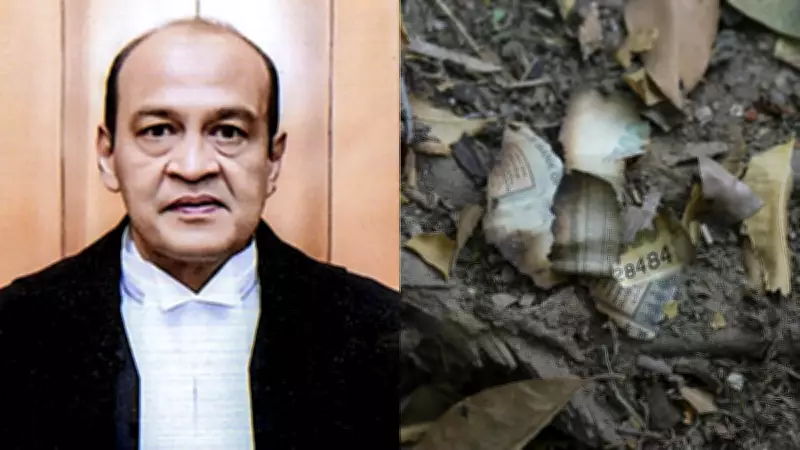
Justice Yashwant Varma has submitted his resignation from the Allahabad High Court, a move that comes as he faces an ongoing impeachment inquiry related to a significant cash haul. The resignation, if accepted, marks a critical juncture in this high-profile judicial case.
Impeachment Inquiry and Cash Haul Allegations
The impeachment inquiry was initiated following allegations surrounding a cash haul linked to Justice Varma. Details of the incident have sparked widespread attention within legal circles and the public, raising questions about judicial conduct and accountability.
According to legal experts, the acceptance of Justice Varma's resignation would strip him of the immunity typically afforded to judges. This immunity protects sitting judges from certain legal proceedings, but its removal could pave the way for further action.

Legal Implications of the Resignation
With the loss of judicial immunity, an FIR (First Information Report) can potentially be lodged against Justice Varma in connection with the cash haul incident. This development underscores the serious nature of the allegations and the potential for criminal proceedings.
Legal analysts emphasize that such cases are rare and highlight the mechanisms in place to address misconduct within the judiciary. The resignation, while a personal decision, could have broader implications for judicial transparency and integrity.
Background and Context
Justice Yashwant Varma's tenure at the Allahabad High Court has been under scrutiny since the cash haul allegations surfaced. The impeachment inquiry, a formal process to investigate judicial misconduct, was set to examine these claims in detail.
- The resignation was reported on April 10, 2026, by sources including Ashish Tripathi.
- It follows increased pressure from legal bodies and public outcry over the incident.
- Experts note that similar cases in the past have led to significant reforms in judicial oversight.
This case adds to ongoing discussions about judicial accountability in India, with many calling for stricter measures to prevent such incidents. The outcome of this situation could influence future policies and legal frameworks governing judges.
As the legal process unfolds, stakeholders are closely monitoring developments, including whether the resignation will be accepted and what steps will follow regarding the potential FIR. The incident serves as a reminder of the importance of upholding ethical standards within the judiciary.