

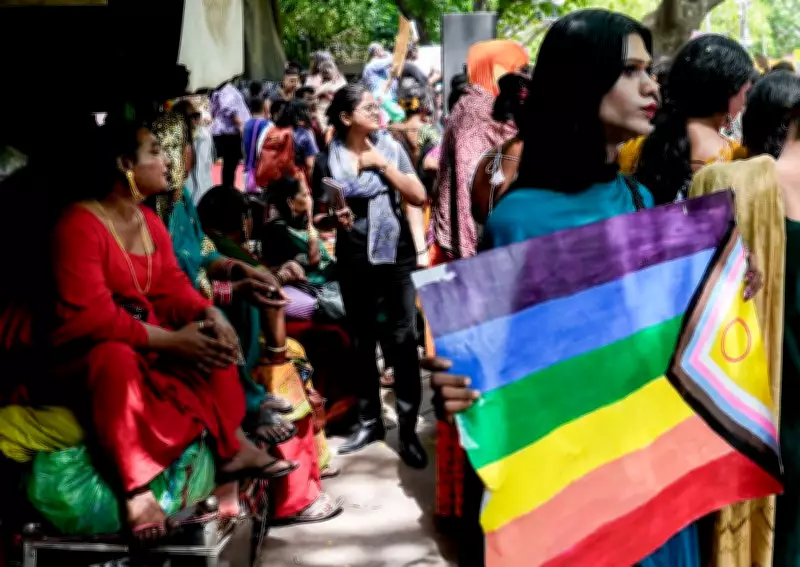
Activists Sound Alarm Over Amended Transgender Law
In a concerning development, activists across India are raising urgent warnings that recent amendments to the nation's transgender rights legislation could severely undermine years of progress. They argue that the changes might inadvertently push transgender individuals back into marginalized activities such as begging and sex work, reversing hard-fought gains in social inclusion and economic empowerment.
Potential Reversal of Hard-Won Progress
The amended law, intended to update and strengthen protections, has sparked fears among advocacy groups. According to activists, certain provisions could create new barriers to accessing essential services like healthcare, education, and employment. This, they caution, might force many transgender people to rely on informal and often exploitative sectors for survival, including begging and sex work, which they have been striving to move away from through various support programs and legal safeguards.
Historical Context and Current Concerns
India has made significant strides in transgender rights in recent years, with landmark legislation aimed at ensuring equality and prohibiting discrimination. However, the latest amendments have introduced clauses that activists say could dilute these protections. For instance, changes in certification processes for transgender identity might lead to increased bureaucratic hurdles, making it harder for individuals to obtain official recognition and the benefits that come with it, such as job quotas and social welfare schemes.

Key issues highlighted by activists include:
- Reduced access to government schemes designed to uplift transgender communities.
- Increased vulnerability to exploitation due to weakened legal safeguards.
- Potential rise in begging and sex work as alternative means of livelihood if formal opportunities diminish.
Calls for Review and Dialogue
In response to these concerns, activists are calling for a thorough review of the amended law and greater dialogue with policymakers. They emphasize the need to ensure that any legal changes do not inadvertently harm the very communities they are meant to protect. By highlighting the risks of regression, they hope to spur action that preserves and builds upon the progress made in transgender rights, rather than eroding it.
The situation underscores the delicate balance between legislative reform and practical impact, with activists urging caution to avoid forcing transgender individuals into oblivion through well-intentioned but flawed legal adjustments.






