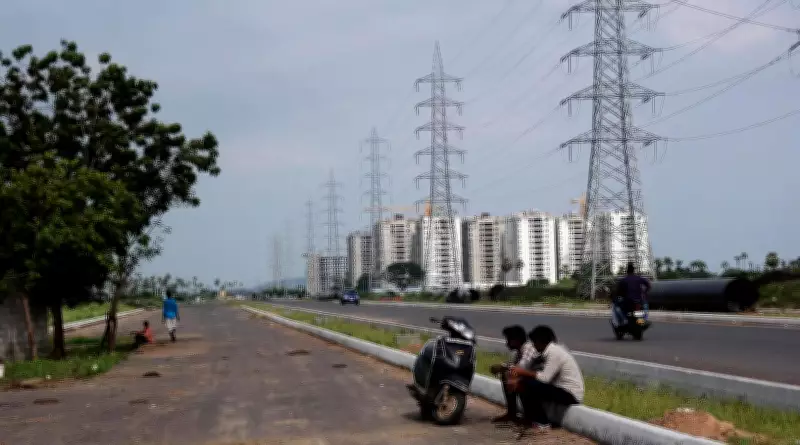
The Andhra Pradesh state government has launched a comprehensive statewide programme to standardise road lane markings, zebra crossings, kerb painting, and scientific traffic signages. This initiative aims to reform urban mobility, reduce road accidents, and bring traffic discipline to cities across the state. The project was initiated simultaneously across all 123 Urban Local Bodies (ULBs), marking a significant step towards transforming the visual and functional landscape of municipal roads. The focus is on pedestrian safety, smoother traffic movement, and globally benchmarked urban infrastructure standards.
Project Background and Implementation
The project was kick-started following the instructions of Chief Minister Chandrababu Naidu. The government directed all commissioners of corporations and municipalities to immediately launch the works using municipal general funds and road maintenance grants. Principal Secretary S Suresh Kumar instructed officials to prioritise these works and ensure strict adherence to Indian Roads Congress (IRC) safety standards. He emphasised that the initiative is not merely an infrastructure upgrade but part of a larger effort to reshape urban road culture in the state.
Standardisation and Safety Measures
Under the programme, all ULBs will execute standardised centre lane and side lane markings, edge lines, stop lines, zebra crossings, and black-and-yellow kerb painting. Authorities have also been asked to install mandatory, cautionary, and informatory traffic signages at key locations, including schools, hospitals, market areas, and major junctions. Minor road defects, potholes, damaged kerbs, and drainage issues must be rectified before road marking works begin, ensuring a solid foundation for the new markings.

Chief Minister Chandrababu Naidu stressed that modern urban development should focus not only on road construction but also on safety, commuter convenience, aesthetics, and traffic discipline. He observed that properly marked roads and scientific signages are critical for reducing confusion, improving pedestrian visibility, and ensuring safer mobility systems in rapidly growing urban centres. The government aims to create a safer environment for all road users, including pedestrians, cyclists, and motorists.
Standard Operating Procedure and Quality Checks
Municipal Administration Minister Narayana asked officials to issue a comprehensive standard operating procedure (SOP) in line with IRC:35, IRC:67, and IRC:SP:118-2018 norms. The SOPs should include technical specifications, retroreflective standards, quality checks, traffic management protocols, and geo-tagged photographic documentation for every road stretch before and after execution. This will ensure transparency and accountability in the implementation process.
Principal Secretary Suresh Kumar directed field-level officials to prioritise arterial roads, high-density corridors, junctions, and school zones during the first phase. The government plans continuous monitoring of the programme to ensure a visible transformation of urban roads within a fixed timeline. Regular inspections and reporting mechanisms will be put in place to track progress and address any issues promptly.
This initiative is expected to significantly improve road safety and traffic flow in Andhra Pradesh's urban areas, setting a benchmark for other states to follow. With a focus on scientific planning and execution, the programme aims to reduce accidents and enhance the overall commuting experience for citizens.