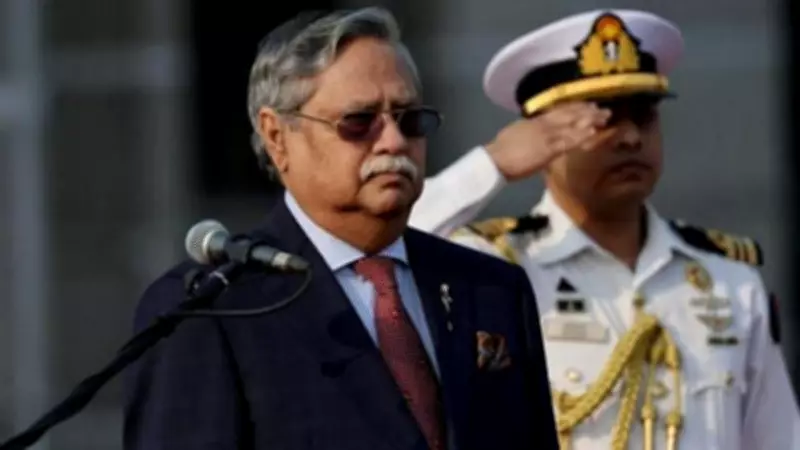
Bangladesh has announced a formal probe into corruption allegations against former President Mohammed Shahabuddin, according to a report by Press Trust of India (PTI). The investigation comes shortly after Shahabuddin resigned from his post, a move that political observers say was prompted by growing discomfort within Prime Minister Tarique Rahman's government over the largely ceremonial head of state.
Resignation Amid Political Tensions
Mohammed Shahabuddin stepped down as president on 26 July 2026, ending a tenure that had been marked by speculation about his relationship with the ruling administration. While the presidency in Bangladesh is largely titular, the position carries symbolic authority. Sources indicate that the government of Prime Minister Tarique Rahman viewed Shahabuddin as incompatible with its policy direction, leading to behind-the-scenes pressure for his exit.
Shahabuddin's resignation was accepted swiftly, and within hours, the government announced the formation of a special investigation team to look into the corruption allegations that had surfaced in recent weeks. The exact nature of the allegations has not been disclosed, but they are believed to involve financial irregularities during his previous roles before assuming the presidency.

Background and Context
Shahabuddin, a seasoned politician, was elected president in 2023 after serving in various ministerial portfolios. His tenure was largely quiet, but in the months before his resignation, reports emerged of disagreements with the prime minister over several constitutional matters. The ongoing probe is seen as an attempt by the government to distance itself from the former president and demonstrate its commitment to transparency.
Bangladesh has seen several high-profile corruption investigations in recent years, targeting both current and former officials. The move against a former president is relatively rare, signaling the government's willingness to hold even the highest office accountable. Analysts suggest that the investigation could have broader political implications, potentially affecting the ruling party's image ahead of the next general elections.
Impact and Reactions
The announcement of the probe has drawn mixed reactions. Opposition parties have called it a politically motivated move to tarnish Shahabuddin's reputation, while civil society groups have welcomed the investigation as a step toward institutional accountability. No official statement has been issued by Shahabuddin or his legal team regarding the allegations.
The investigation team is expected to submit its findings within three months. If charges are proven, Shahabuddin could face legal consequences, including potential imprisonment and fines. The case has also raised questions about the independence of the judiciary in handling politically sensitive matters.
As details unfold, the international community is closely watching how Bangladesh handles this corruption probe. The outcome may influence foreign investment perceptions and the country's standing on global corruption indexes.