

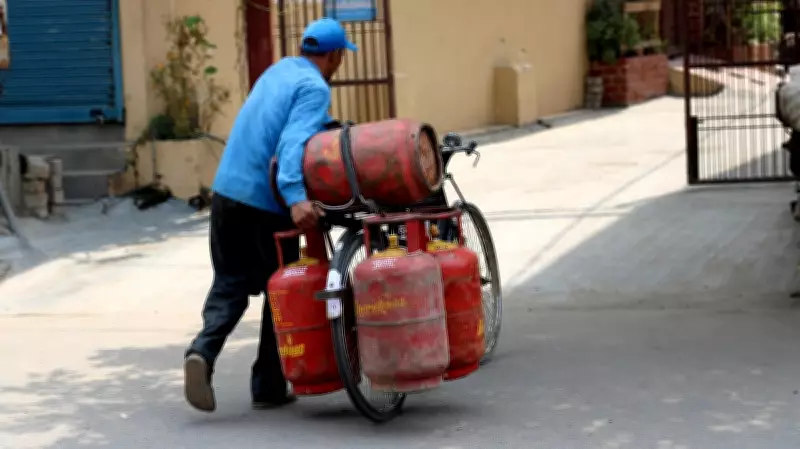
Bengaluru Legal Metrology Department Takes Action Against Misuse of Domestic LPG
The Legal Metrology Department in Bengaluru has initiated legal proceedings by registering cases against multiple hotel owners for the unauthorized use of domestic liquefied petroleum gas (LPG) cylinders in commercial establishments. This enforcement action underscores a significant crackdown on violations of regulatory standards aimed at ensuring fair trade practices and consumer safety.
Violations Under the Essential Commodities Act
According to an official statement released by the department, the cases have been formally registered under the provisions of the Essential Commodities Act. This legislation is designed to regulate the distribution and pricing of essential goods to prevent hoarding and black marketing, thereby protecting public interest. The misuse of domestic LPG for business purposes, such as in hotels, is considered a direct contravention of these regulations, as it can lead to supply shortages and unfair advantages in the market.
The department's move highlights ongoing efforts to monitor and enforce compliance within the hospitality sector, particularly in urban areas like Bengaluru where commercial activities are dense. Officials have emphasized that domestic LPG cylinders are intended solely for household consumption and are subsidized to support families, making their diversion for commercial use illegal and detrimental to the economy.

Implications for Hotel Owners and the Industry
The registration of these cases serves as a stern warning to other businesses that might be engaging in similar practices. Hotel owners found guilty could face severe penalties, including fines and potential legal sanctions, which may impact their operations and reputations. This action is part of a broader initiative by the Legal Metrology Department to curb malpractices and ensure that essential commodities are used appropriately across Karnataka.
Authorities have urged all commercial entities to adhere strictly to the rules and switch to commercial LPG supplies, which are regulated differently and priced to reflect business usage. By doing so, businesses can avoid legal repercussions and contribute to a more equitable distribution system for essential resources like LPG.
This development in Bengaluru reflects a growing trend of increased regulatory scrutiny in India's major cities, aimed at fostering transparency and accountability in trade practices. As the department continues its investigations, further updates are expected regarding the outcomes of these cases and any additional enforcement measures.






