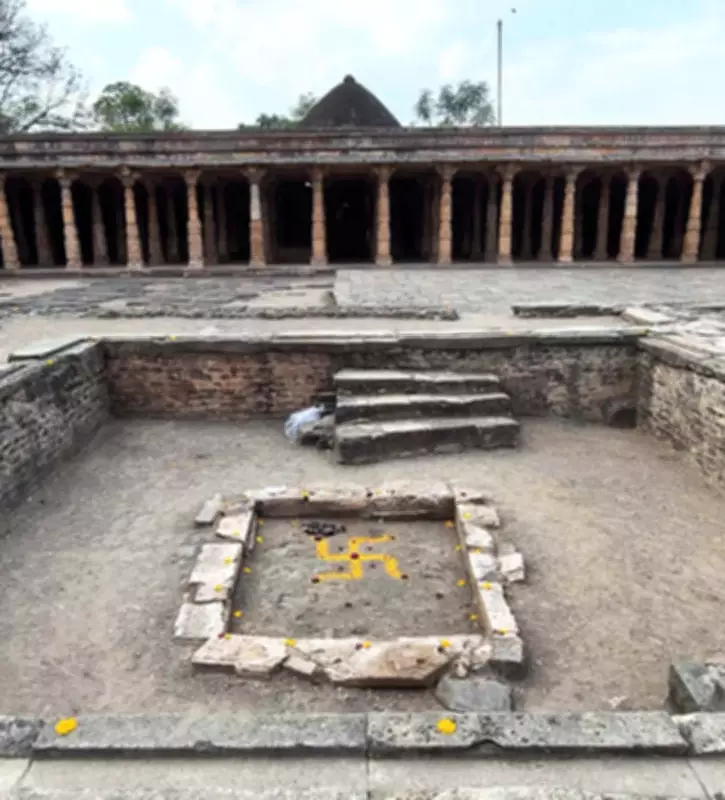
More than two decades after the Archaeological Survey of India (ASI) restricted Hindu worship at the Bhojshala-Kamal Maula Mosque complex, the Madhya Pradesh High Court has ruled that the 11th-century structure in Dhar district was originally a temple dedicated to goddess Vagdevi (Saraswati). In a landmark judgment delivered on May 15, the court quashed the ASI’s April 2003 order and granted Hindus exclusive rights to daily worship at the disputed site. Under the previous ASI arrangement, Hindus were allowed to worship on Tuesdays, while Muslims could offer namaz on Fridays.
Historical Background of the Dispute
The Bhojshala complex, built during the reign of Raja Bhoj in the 11th century, has been a subject of contention for decades. The ASI’s 2003 order had attempted to balance the religious claims of both communities by allotting specific days for worship. However, Hindu petitioners challenged this arrangement, arguing that the site was originally a temple and that Muslims had no historical claim to it. The court’s recent verdict aligns with the findings of earlier surveys that indicated the presence of a pre-existing temple structure beneath the mosque.
Key Highlights of the Judgment
- Exclusive Worship Rights: The court has granted Hindus the right to perform daily prayers and rituals at the Bhojshala complex, overturning the earlier shared arrangement.
- Quashing of ASI Order: The 2003 order of the ASI, which had imposed restrictions on Hindu worship, has been declared null and void.
- Archaeological Evidence: The judgment cited archaeological evidence, including inscriptions and architectural features, to conclude that the structure was originally a temple dedicated to Goddess Saraswati.
Reactions from Both Communities
The verdict has evoked mixed reactions. Hindu groups have welcomed the decision, calling it a correction of historical wrongs. Many believe that the ruling upholds the cultural and religious heritage of the region. On the other hand, Muslim organizations have expressed disappointment and plan to appeal the decision in the Supreme Court. They argue that the site has been used as a mosque for centuries and that the verdict could set a dangerous precedent for other disputed religious sites across the country.

Legal and Political Implications
The Bhojshala verdict comes at a time when the Supreme Court is already hearing multiple cases related to religious disputes, including the Gyanvapi mosque and the Mathura Shahi Idgah. Legal experts suggest that this ruling could influence the outcomes of those cases. Politically, the judgment is seen as a boost for the ruling party, which has consistently advocated for the restoration of Hindu temples at disputed sites. However, critics warn that such decisions may exacerbate communal tensions and undermine the secular fabric of the nation.
What Lies Ahead
With the Madhya Pradesh High Court’s verdict, the focus now shifts to the Supreme Court, where an appeal is likely to be filed. The ASI has also been directed to ensure the protection of the site and facilitate the new worship arrangements. Meanwhile, the local administration in Dhar has been asked to maintain law and order as emotions run high. The case is expected to set a significant legal precedent for similar disputes across the country, making it a crucial moment for India’s judiciary and its approach to religious heritage.