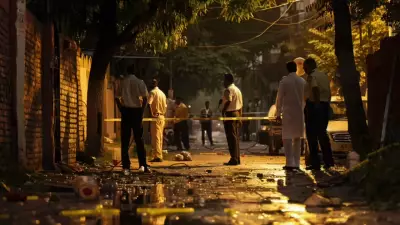
The Bombay High Court recently expressed shock over police lapses in failing to prevent what appeared to be an illegal demolition in 2016 of the historic Buddha Bhushan printing press at Dadar, established by Dr B R Ambedkar.
Court's Reaction to Police Affidavit
On April 30, Justices A S Gadkari and Kamal Khata said it was “deeply disturbing to read” a “thoughtless affidavit” filed by an assistant commissioner of police (ACP). The ACP claimed that “his officers immediately reached the spot and ensured that necessary preventive and protective measures were undertaken.” The court found this response inadequate and expressed strong disapproval.
Directions to Police and BMC
Calling the matter serious, the HC directed the Mumbai police chief to file a detailed reply within six weeks to a petition by Prakash Ambedkar. The reply must “disclose the names of officers who were on duty at Bhoiwada police station when the incident took place” and reveal whether the intelligence department was functioning at the time.

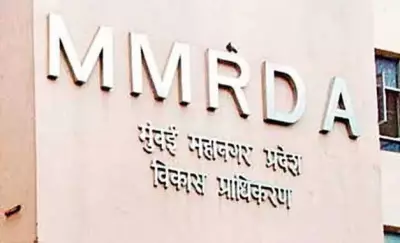
The court also directed the Brihanmumbai Municipal Corporation (BMC) commissioner to submit an affidavit stating whether the demolition was permitted, whether the BMC allows demolitions at midnight, if this was an isolated case, and whether the accused persons informed the civic body that they needed 400 persons to take possession of the press property. The next hearing is scheduled for June 15.
Background of the Demolition
The demolition was carried out by a group of around 400 persons at midnight on June 25, 2016. Several individuals accused in an FIR related to the illegal demolition had petitioned the HC in 2017 seeking to quash the case. Prakash Ambedkar of Vanchit Bahujan Aghadi and grandson of B R Ambedkar also filed a petition in 2017, raising concerns over the “illegal” demolition and questioning police inaction and alleged collusion of public servants in the “dastardly act.”
Nearly a decade later, the police filed their affidavit on April 28, 2026, claiming they learned of the demolition but attempted to justify the situation and their inaction by relying on a civic notice. The justices noted, “We are constrained to express our shock at the audacity and the manner in which the police responded to the complainants who approached the police station. It is rare, if not unprecedented, for the BMC or any authority to carry out a demolition between 12.00 am and 7 am. Instead of promptly proceeding to the site and halting what appears to have been an illegal demolition, there was evident inaction on part of police.”
Historical Significance of the Press
In 1945, after purchasing land in 1930 with his own funds, Dr Ambedkar created a trust and built the press on one plot. The property comprised three buildings: one housed the press, the second contained Yashodhara Sanganak Kendra, and the third was Dr Babasaheb Ambedkar Bhavan. Disputes emerged between trustees, and the HC noted they acted against each other and against the object of the trust. The court order stated that seven members “under the garb of a false structural audit report… instigated the BMC to issue a (demolition) notice… which stated that the building was in a dilapidated condition.”
In June 2016, Prakash Ambedkar said his brother Anandraj was informed that four men with 400 unknown persons had arrived with bulldozers on an “authorisation” from the chief information commissioner to demolish the press. Police refused to send personnel to stop the razing when Anandraj complained. He reported that machines purchased by his grandfather and the ‘Panchshil flag’ were damaged, and cupboards, handwritten documents of Dr Ambedkar, and other “valuable anti-manuscripts regarding integration of social rights from 1910 till 1956 were all stolen,” as recorded in the HC order.
The HC observed that the enquiry officers failed to follow the constitutional mandate of recording the complaint. The police reply also suppressed how many persons ransacked the property and which police officers were on duty that night.