Court Upholds Sikh Helmet Exemption
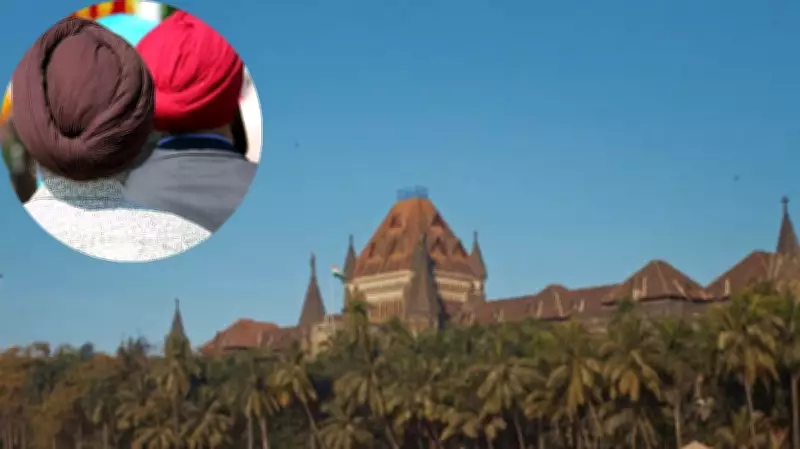
The Bombay High Court has ruled that the exemption granted to Sikhs from wearing helmets while riding two-wheelers is not based on religion but constitutes a reasonable classification under Article 14 of the Constitution. The decision came in response to a petition challenging the validity of the proviso to Section 129 of the Motor Vehicles Act, 1988.
Legal Framework
Section 129 of the Motor Vehicles Act mandates that every person driving or riding on a two-wheeler must wear a helmet. However, a proviso to this section states that it shall not apply to a Sikh person who is wearing a turban. The petitioner argued that this exemption violates the right to equality under Article 14 by creating an arbitrary distinction based on religion.
Court's Reasoning
A division bench of Justices R.D. Dhanuka and S.G. Dige observed that the classification is based on the reasonable objective of accommodating the religious practice of Sikhs, who are required to wear a turban as part of their faith. The court noted that wearing a helmet over a turban is impractical and would interfere with the religious observance. Therefore, the exemption is a reasonable classification that does not violate Article 14.

Impact and Precedent
The ruling reinforces the legal validity of the exemption, which has been in place since the enactment of the Motor Vehicles Act. The court emphasized that the proviso is not a blanket exemption based on religion but a practical accommodation for a specific community. This decision aligns with previous judgments that have upheld similar exemptions for Sikhs in other contexts, such as the requirement to wear helmets in construction sites or while riding bicycles.
Reactions
Advocate General Ashutosh Kumbhakoni, representing the state government, argued that the exemption is necessary to respect the religious sentiments of Sikhs and does not undermine road safety. The court agreed, stating that the exemption is narrowly tailored and does not create an undue burden on public safety. The petitioner, a social activist, expressed disappointment but acknowledged the court's reasoning.