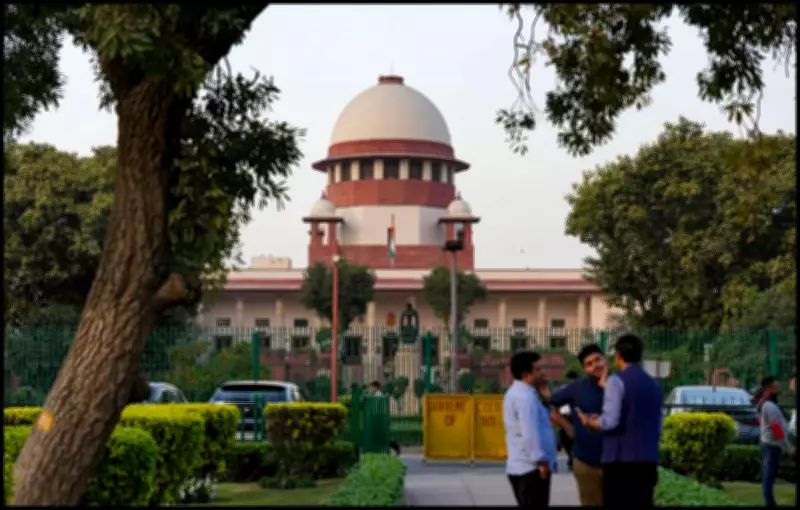
Calcutta High Court Updates Supreme Court on West Bengal SIR Case Progress
The Calcutta High Court has formally informed the Supreme Court of India about significant progress in the long-standing West Bengal School Service Commission (SSC) recruitment case, widely known as the SIR (School Inspection Report) case. In a crucial update, the High Court reported that a staggering 47 lakh objections have been disposed of as of March 31, 2026. This development marks a pivotal step in resolving the complex legal matter that has impacted thousands of teaching and non-teaching staff appointments in the state.
Massive Scale of Objections Addressed by Judiciary
The case, which revolves around alleged irregularities in the recruitment process conducted by the West Bengal School Service Commission, has seen an unprecedented volume of objections filed by candidates and stakeholders. The disposal of 47 lakh objections underscores the immense scale of the judicial review required. Legal experts highlight that this figure represents one of the largest numbers of objections handled in a single recruitment-related case in recent Indian judicial history.
The Calcutta High Court's systematic approach to examining each objection has been critical in ensuring due process and transparency. The court has been working diligently to sift through the vast number of claims, which include allegations of favoritism, procedural lapses, and discrepancies in appointment lists. This meticulous process aims to uphold the integrity of the recruitment system and provide justice to affected parties.

Implications for West Bengal's Education Sector
The resolution of these objections has far-reaching implications for West Bengal's education sector. With thousands of teaching and non-teaching positions hanging in the balance, the court's progress brings hope for a final settlement. The disposed objections cover a wide range of issues, from eligibility criteria disputes to document verification problems, reflecting the multifaceted nature of the recruitment controversies.
- Enhanced Accountability: The court's actions reinforce accountability in public recruitment processes.
- Legal Precedent: This case sets a precedent for handling large-scale objections in similar matters.
- Stakeholder Relief: Candidates and educational institutions await final decisions to stabilize staffing.
Authorities have emphasized that the disposal of objections is a procedural milestone, not the final verdict. The Calcutta High Court continues to hear arguments and review evidence, with the Supreme Court monitoring the proceedings to ensure judicial efficiency and fairness. The next steps may involve further hearings or directives based on the findings from the disposed objections.
Broader Context and Public Response
The West Bengal SIR case has been a focal point of political and public discourse, with allegations of corruption and mismanagement surfacing periodically. The High Court's update to the Supreme Court is seen as a move to demonstrate progress and maintain judicial oversight. Public response has been mixed, with some praising the court's diligence, while others express concern over the prolonged timeline affecting job seekers.
As the legal process unfolds, stakeholders are advised to stay informed through official channels. The Calcutta High Court's commitment to disposing of 47 lakh objections by March 31, 2026, highlights a dedicated effort to clear the backlog and move toward a conclusive resolution. This case serves as a reminder of the challenges in large-scale public recruitment and the judiciary's role in upholding justice.