CBI to Challenge Trial Court's Verdict in Delhi Liquor Scam Case at High Court
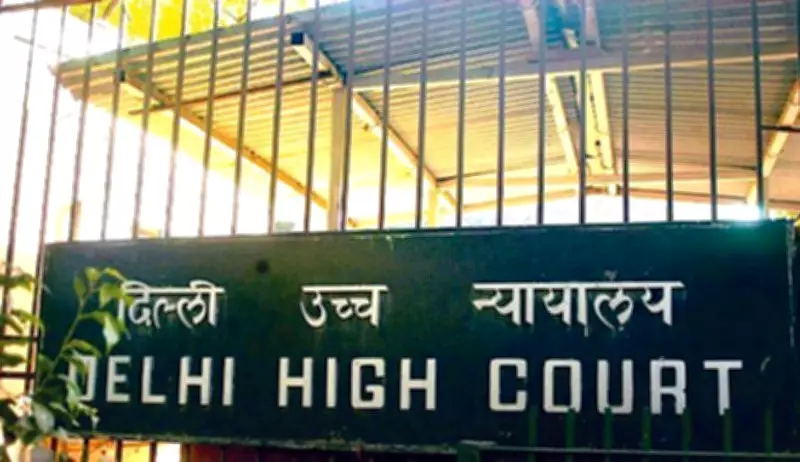
The Central Bureau of Investigation (CBI) has announced its intention to file an appeal against a trial court's verdict in the high-profile Delhi liquor policy scam case. The agency plans to challenge the decision at the Delhi High Court, marking a significant development in this ongoing legal battle.
Details of the Case and Verdict
The case revolves around alleged irregularities and corruption in the formulation and implementation of Delhi's excise policy for 2021-22. The trial court recently delivered a verdict that the CBI now seeks to contest. While specific details of the verdict have not been fully disclosed in public reports, it is understood that the CBI believes aspects of the ruling require judicial review at a higher level.
The CBI's move underscores its commitment to pursuing the case vigorously, as it alleges that the scam involved manipulation of the policy to benefit certain private entities, leading to potential losses to the exchequer and violations of legal norms.
Legal Proceedings and Next Steps
The appeal process will involve the CBI submitting a formal petition to the Delhi High Court, outlining its grounds for challenging the trial court's decision. This could include arguments related to legal interpretations, evidence evaluation, or procedural aspects of the case.
The Delhi High Court is expected to hear the appeal in due course, which may lead to further hearings, additional evidence submissions, and potentially a revised judgment. This step is part of the broader legal framework in India, where parties dissatisfied with lower court rulings can seek redress in higher courts.Implications and Broader Context
This case has attracted significant attention due to its political and economic ramifications, involving allegations against officials and private players. The CBI's decision to appeal highlights the complexity and seriousness of the charges, which could have wider implications for governance and anti-corruption efforts in Delhi.
- The appeal may delay final resolutions in the case, prolonging legal uncertainties.
- It could set precedents for how similar scams are handled in the future.
- Public and media scrutiny is likely to intensify as the case moves to the High Court.
Overall, the CBI's action to challenge the trial court's verdict in the Delhi liquor scam case at the Delhi High Court represents a critical juncture in this legal saga, with potential outcomes that could influence anti-corruption jurisprudence and policy enforcement in the region.