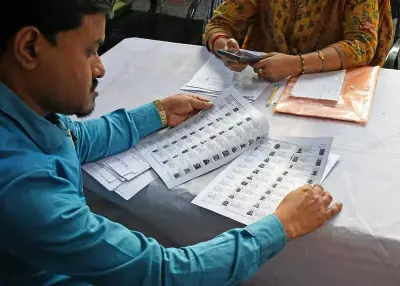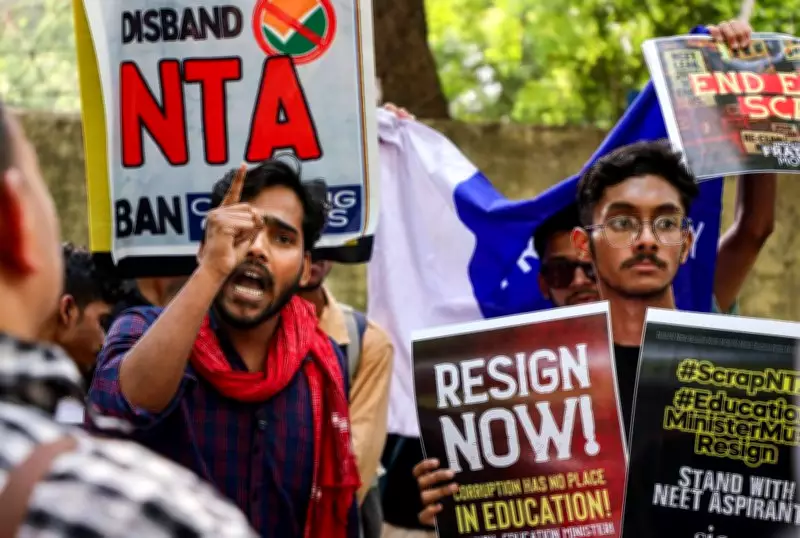
The Central Bureau of Investigation (CBI) has unraveled a sophisticated multilayer chain in the NEET-UG paper leak case, tracing connections from paper setters to Telegram groups. The probe has revealed a well-organized network that compromised the integrity of the medical entrance exam, leading to widespread outrage and demands for stricter security measures.
How the Chain Operated
According to CBI officials, the leak originated from a small group of individuals involved in setting the question paper. These paper setters allegedly shared the questions with middlemen, who then disseminated them through encrypted messaging platforms like Telegram. The chain involved multiple layers of intermediaries, each taking a cut before the paper reached the end candidates.
Key Arrests and Evidence
The CBI has arrested several suspects, including a former professor and a private school owner, who are believed to be key links in the chain. Digital evidence, including chats and payment records, has been recovered from their devices. The agency is also probing the role of coaching centers that may have facilitated the leak for monetary gains.

Impact on Students
The leak has caused significant distress among students who appeared for the NEET-UG exam. Many have demanded a re-test, while the National Testing Agency (NTA) has initiated a review of its security protocols. The CBI is working to identify all beneficiaries of the leak, including students who may have paid for the leaked paper.
Broader Implications
This case highlights the vulnerabilities in India's examination system, particularly the reliance on human elements in paper setting and distribution. Experts have called for digitization and real-time monitoring to prevent such incidents. The CBI's investigation is ongoing, with more arrests expected in the coming days.