Getting a traffic challan for a violation you never committed can be deeply frustrating, especially when you were not even driving the vehicle at the time. However, under Indian law, you have the right to challenge wrongful traffic fines legally, including incorrect e-challans issued due to camera errors, wrong number plate readings, clerical mistakes, or mistaken identity.
How Do Such Wrongful Challans Happen?
Wrongful traffic fines can arise from incorrect vehicle number entries, faulty camera captures, or duplicate challans issued against the same vehicle for the same offence. In some situations, automatic number plate recognition (ANPR) systems—increasingly used in cities like Delhi, Mumbai, and Bengaluru—may incorrectly read a registration number and issue a challan to the wrong vehicle owner.
What Should You Do First?
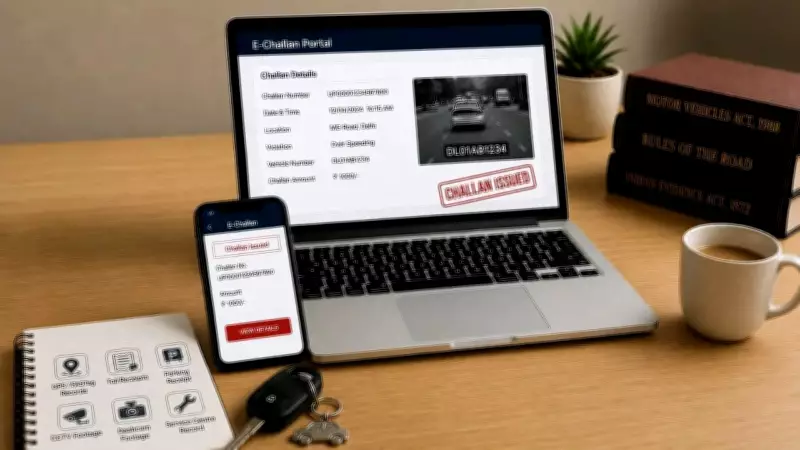
The first step is to carefully examine the challan details. Check the date, time, location, vehicle number, and photographic evidence attached to the challan. If the details do not match your vehicle or you can prove you were elsewhere, preserve all supporting evidence at the earliest. Courts and traffic authorities give significant weight to documentary evidence, so collecting such evidence early is important. Useful evidence may include:

- GPS or FASTag records
- CCTV footage
- Parking receipts
- Toll receipts
- Dashcam footage
How to File a Complaint Against a Wrong E-Challan
The process is straightforward and can be completed online in a few steps.
Step 1: Visit the Official Portal
Go to echallan.parivahan.gov.in and click on the Complaint tab to reach the Grievance System page.
Step 2: Fill in Your Details
Enter your name, phone number, and challan number. From the drop-down menu, select the specific issue—for example, wrong vehicle number or incorrect violation. Use the description box to briefly explain why you believe the challan is incorrect.
Step 3: Submit Your Complaint
Once all details are filled in, click Submit. The authorities will review your grievance and update you on the status.
Step 4: Track Your Complaint
To check the progress of your complaint, visit echallan.parivahan.gov.in/gsticket. Click on the Ticket Status tab and enter your e-ticket or complaint number along with the captcha code.
Alternative Ways to Reach the Authority
If you prefer not to use the portal, you can email your complaint with supporting documents to helpdesk-echallan@gov.in, or call the helpline at +91-120-4925505, available between 6 AM and midnight.
Note that resolving grievances can take up to 15 working days. Keep following up if you do not hear back within this period. It is also important to note that a challan—even a wrongly issued one—must be paid within 60 days of issuance. Filing a complaint does not suspend the payment deadline, so it is advisable to act quickly.
Do not ignore a wrongful challan. Under the Motor Vehicles Act, 1988, unpaid fines can lead to summons, and in some states, suspension of vehicle registration or driving licence. At the same time, do not admit guilt before reviewing the evidence carefully. Preserving records and acting quickly can significantly strengthen your case.
About the Author
The TOI Legal Desk is a dedicated team of journalists committed to tracking and reporting on courts, legal developments, and judicial proceedings across the country and world.