In a significant development, a court in Gautam Buddha Nagar, Uttar Pradesh, on Tuesday dismissed the state government's application seeking the withdrawal of charges against the accused in the long-pending 2015 Akhlaq lynching case. The decision marks a pivotal moment in the high-profile case that has been a focal point of national discourse on mob violence and justice.
Court's Decision and Legal Proceedings
The Uttar Pradesh government, acting through the public prosecutor, had filed an application requesting the court to withdraw the case. However, the judge dismissed the plea after considering the arguments and the evidence presented. The next hearing in the case has been scheduled for January 6, 2025. The court's ruling ensures that the judicial process against the accused will continue.
Reaction from Akhlaq's Legal Counsel
Mohammad Akhlaq's lawyer praised the court's decision, stating that the judge had "set an example" and that "justice was served to the Akhlaq's family." Speaking to the ANI news agency, the lawyer emphasized the importance of the ruling in the context of mob lynching cases, calling the order "excellent" and one that was finally issued in a case of this nature. The legal team views this as a reaffirmation of the judicial process.

Background of the 2015 Dadri Lynching
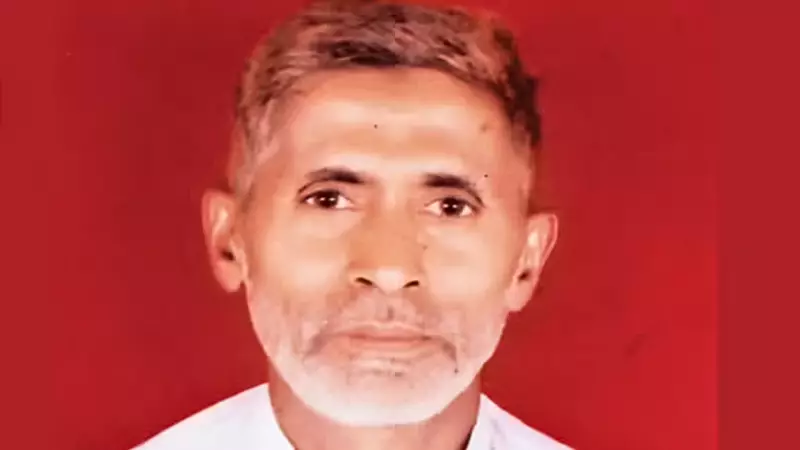
The case stems from a tragic incident on the night of September 28, 2015. A mob attacked the home of 52-year-old Mohammad Akhlaq in Bisahda village, near Dadri in Uttar Pradesh. The attack, fueled by suspicions of cow slaughter, resulted in Akhlaq's death. The incident sparked nationwide outrage and debates on communal violence, vigilante justice, and the rule of law. The case has seen numerous hearings and has been closely watched for nearly a decade.
The court's refusal to allow the withdrawal of charges underscores the continuing legal battle for accountability in one of India's most noted cases of mob violence. The upcoming hearing on January 6 will be the next step in this prolonged judicial journey.