A Delhi court has taken a stern view of the police's contradictory stance in the case of Tarun Butolia, who died following a Holi clash in Uttam Nagar's JJ Colony on March 4. The court pulled up the investigating officer after the police submitted a report stating that there was no material on record to support allegations that Butolia's family was threatened on April 13, despite having previously informed the Delhi High Court that it had collected relevant material, including video footage.
Court's Directive and Police Response
Additional Sessions Judge Shivali Bansal directed the investigating officer to place the footage along with a detailed report before the court. The matter came up during the hearing of a plea filed by Butolia's family, who alleged that they received death threats and caste abuse from relatives of the accused individuals. Twenty people, including two juveniles, have been named as accused in connection with Butolia's death.
Contradictory Stand Exposed
The court had earlier directed an Assistant Commissioner of Police (ACP) to file a report detailing the action taken on the family's complaint. However, in the report submitted on Monday, the police claimed that the allegations of threats and caste abuse could not be substantiated. This contradicted the police's earlier submission before the Delhi High Court on April 23, where they stated that they had collected relevant material, including video footage.

The petitioner's counsel, Sumit Kumar, pointed out this contradiction, prompting the court to summon the footage and a report. The matter has now been listed for further hearing on May 22.
Case Background
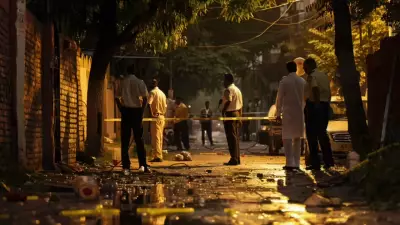
Tarun Butolia, aged 26, died after a clash broke out during Holi celebrations on March 4 in JJ Colony, Uttam Nagar. The incident led to the naming of 20 individuals, including two juveniles, as accused. The family has been seeking justice and protection, alleging threats and caste-based abuse from the accused's relatives.
The court's intervention highlights the need for thorough and consistent police investigation in sensitive cases. The investigating officer has been directed to ensure all evidence is properly documented and presented before the court.