

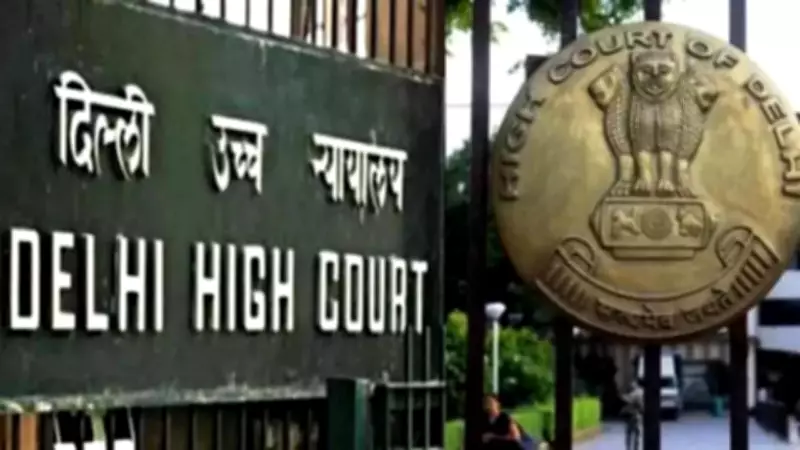
Delhi High Court Acquits Engineers in 34-Year-Old Bribery Case Citing Lack of Evidence
In a landmark judgment that underscores the importance of evidentiary standards in corruption cases, the Delhi High Court has acquitted two engineers who were accused of demanding a bribe, bringing a dramatic conclusion to a legal saga that spanned an astonishing 34 years. The Court ruled that the prosecution failed to establish the crucial element of demand for illegal gratification, thereby extending the benefit of doubt to the accused individuals.
Background of the Case
The case originated on September 20, 1991, when Assistant Engineer VK Datta and Junior Engineer Dinesh Garg were accused of demanding bribes of Rs 1,800 and Rs 900 respectively. The allegations centered on their purported role in facilitating the release of pending bills. Following a complaint, the Central Bureau of Investigation (CBI) orchestrated a trap operation, leading to the arrest of both officials. Subsequently, a trial court convicted them in 2002, setting the stage for decades of legal appeals and scrutiny.
Key Legal Arguments and Court Findings
Representing the appellants, a team of advocates including Sameer Chandra, Vivya Nagpal, Ekansh Bansal, Aryan Tomar, and senior advocate Sunil Dalal argued that the prosecution's case was fundamentally flawed. They highlighted numerous inconsistencies that undermined the credibility of the allegations.

Inconsistencies in Evidence: The Court identified serious gaps in the prosecution's narrative. Official muster rolls, which remained unchallenged during the trial, indicated that both accused were present at a work site at the exact time the alleged bribe demand was made. This discrepancy cast significant doubt on the prosecution's version of events.
Lack of Motive: Testimony from a key departmental witness revealed that no payment was actually due to the contractor at the relevant time, effectively eliminating any plausible motive for the engineers to seek a bribe. This finding further weakened the prosecution's argument.
Procedural Lapses: The Court noted inconsistencies in the timeline of events, particularly regarding the registration of the First Information Report (FIR). The FIR appeared to have been recorded at the same time the complainant claimed to have just arrived at the CBI office, raising questions about the authenticity of the prosecution's account.
Failure to Examine Witnesses: The prosecution did not examine crucial witnesses, including the contractor directly involved in the financial transactions. Additionally, inconsistent accounts regarding the recovery of the alleged bribe amount further compromised the case's integrity.
Legal Principles Reiterated
In its judgment, the High Court reiterated established legal principles, emphasizing that mere recovery of money is insufficient to sustain a conviction under corruption laws. Clear and unequivocal proof of demand is essential. The Court stressed that suspicion, no matter how strong, cannot substitute for proof beyond a reasonable doubt. This principle is fundamental to ensuring justice and protecting individuals from wrongful convictions.
Outcome and Implications
Setting aside the 2002 conviction, the Delhi High Court acquitted both VK Datta and Dinesh Garg of all charges and directed their immediate release. This verdict not only brings closure to a prolonged period of uncertainty for the accused but also serves as a powerful reminder that justice must be grounded in solid evidence rather than assumptions. The case highlights the enduring nature of legal battles in India and the critical role of judicial scrutiny in upholding the rule of law.
The acquittal after 34 years underscores the importance of thorough investigation and adherence to procedural norms in corruption cases. It also reflects the judiciary's commitment to ensuring that convictions are based on incontrovertible evidence, safeguarding the rights of the accused against miscarriages of justice.






