High Court Dismisses Discoms' Challenge to CAG Audit
The Delhi High Court on Monday refused to halt a proposed Comptroller and Auditor General (CAG) audit of the Capital’s private power distribution firms, keeping alive a scrutiny process that could shape the debate around the Rs 38,552 crore regulatory asset burden hanging over electricity consumers. Justice Tejas Karia dismissed a petition filed by BSES Rajdhani Power Limited and BSES Yamuna Power Limited challenging a June 6 notice proposing a CAG audit, holding that the challenge was premature because the notice was only a show-cause communication and no final decision had yet been taken on whether the audit would be entrusted to the national auditor.
Court Rejects Discoms' Arguments on Supreme Court Judgment
The court went beyond the question of maintainability and rejected the discoms’ argument that the Supreme Court’s 2025 judgment on regulatory assets envisaged scrutiny only of the regulator and not of the distribution companies themselves. The judgment held that the scope of the audit was broad enough to include examination of the records, conduct, accounts and financial position of the discoms to understand how regulatory assets accumulated over a prolonged period. Regulatory assets represent costs approved by regulators but not recovered immediately through tariffs, and the issue has gained urgency after the Appellate Tribunal for Electricity (APTEL) directed the commencement of the recovery process for the accumulated dues.
Distinction from 2015 URJA Judgment
The court also distinguished the 2015 URJA judgment, which had quashed an earlier attempt to subject the companies to a CAG audit and had long been cited as a legal obstacle to such scrutiny. According to the Delhi High Court, the present dispute arises from the Supreme Court’s regulatory asset judgment, involves a different legal process, provides the companies an opportunity to be heard and concerns a matter of public interest because electricity tariffs directly affect consumers. The ruling effectively reopens the possibility of a CAG-led examination of the circumstances that led to the build-up of regulatory assets in Delhi’s power sector, even as separate proceedings concerning liquidation of those assets continue before APTEL.

Political Reactions and Next Steps
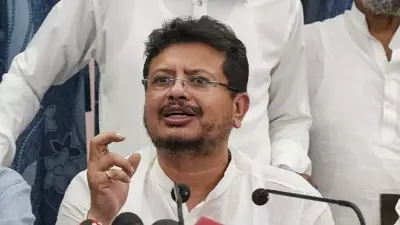
Delhi Power Minister Ashish Sood welcomed the verdict and claimed it had cleared the way for a CAG audit. “The petition filed by power distribution companies opposing the CAG audit has been dismissed by the Delhi High Court today. The very fact that the power companies approached the high court to oppose the CAG audit has exposed the nexus between the previous Aam Aadmi Party government, Arvind Kejriwal and the power companies before the people of Delhi,” Sood said. He alleged that previous governments had relied on the 2015 judgment to avoid scrutiny of the power distribution firms. However, the high court itself did not make any finding regarding the allegations of collusion raised by the Delhi Government. The judgment remained confined to the legality of the proposed audit process and the maintainability of the petition.
No Immediate Impact on Tariffs
Importantly, the court stopped short of ordering the audit itself. It said the competent authority must still hear the power companies and independently decide whether the audit should ultimately be entrusted to the CAG after considering all submissions on merit. For Delhi’s consumers, Monday’s verdict does not immediately affect electricity tariffs. Yet, it places the spotlight back on a question that has gained urgency after the regulatory asset recovery order: how and why liabilities running into Rs 38,552 crore accumulated in the first place. As the recovery process moves ahead and scrutiny of the sector deepens, both the audit question and the future of tariff-linked recovery are set to remain at the centre of Delhi’s power politics.