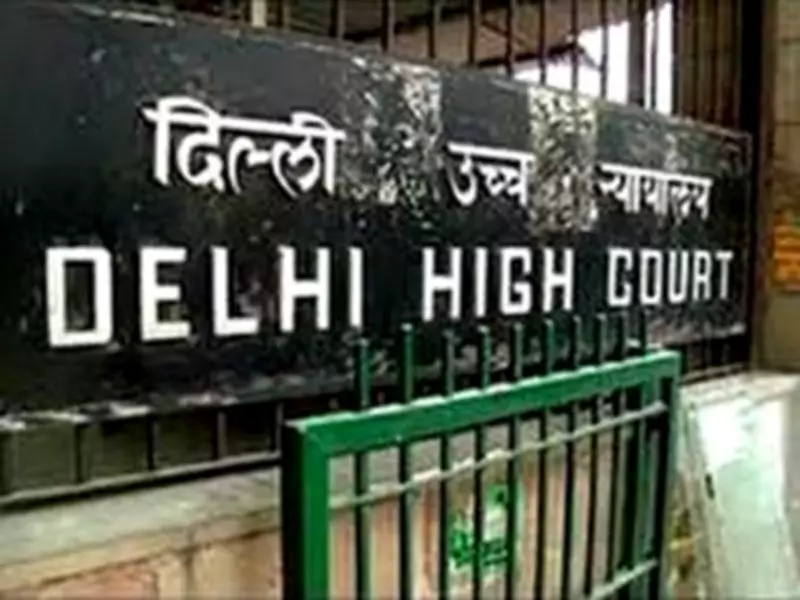
Delhi High Court Declines Jurisdiction in Sameer Wankhede's Defamation Case
The Delhi High Court has made a significant ruling in a high-profile legal matter, dismissing a defamation plea filed by former Narcotics Control Bureau (NCB) officer Sameer Wankhede. The court cited a lack of jurisdiction to hear the case, which was brought against several media outlets. This decision underscores the importance of territorial limits in legal proceedings under Indian law.
Background of the Defamation Plea
Sameer Wankhede, who gained national attention for his role in the Aryan Khan drug case, had approached the Delhi High Court seeking legal recourse against what he alleged were defamatory statements published by various media organizations. The plea aimed to address reports and articles that Wankhede claimed damaged his reputation and professional standing. However, the court's recent judgment has halted this effort on jurisdictional grounds.
Court's Rationale on Jurisdictional Limits
In its detailed order, the Delhi High Court emphasized that it does not possess the necessary jurisdiction to adjudicate this defamation case. The ruling is based on legal principles that require such matters to be filed in courts with appropriate territorial authority, often linked to the location where the alleged defamation occurred or where the defendant resides. This aspect of the law is crucial for ensuring fair and efficient legal processes across India.

The court's decision highlights a key procedural hurdle in defamation lawsuits, particularly when they involve parties or incidents spread across different regions. By dismissing the plea, the High Court has effectively directed Wankhede to pursue his claims in a more suitable forum, potentially in another state or jurisdiction where the media outlets operate or where the publications were disseminated.
Implications for Media and Legal Practices
This ruling has broader implications for both media organizations and individuals seeking defamation remedies in India. It reinforces the need for plaintiffs to carefully consider jurisdictional aspects before filing cases, to avoid delays and procedural dismissals. For media outlets, the decision may offer some protection against lawsuits filed in inconvenient forums, though it does not absolve them of potential liability if defamation is proven elsewhere.
The case also sheds light on the ongoing legal challenges faced by public figures like Sameer Wankhede, who have been subject to intense media scrutiny. While defamation laws exist to safeguard reputations, this judgment underscores that procedural rules must be strictly followed to access judicial remedies.
Next Steps for Sameer Wankhede
Following the Delhi High Court's dismissal, Sameer Wankhede may need to refile his defamation plea in a court with proper jurisdiction. This could involve identifying the specific locations where the alleged defamatory content was published or where the media defendants are based. Legal experts suggest that such a move might prolong the resolution of the case but is necessary for it to proceed on substantive merits.
In summary, the Delhi High Court's ruling serves as a reminder of the intricate balance between protecting individual reputations and adhering to legal procedures in India's judicial system.