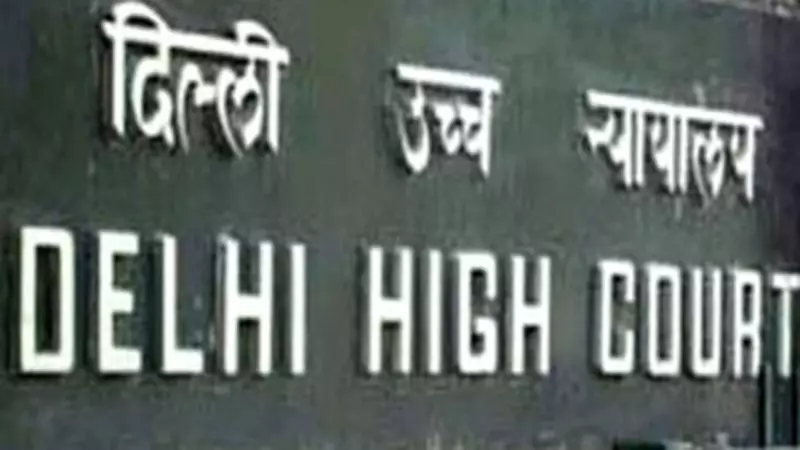
The Delhi High Court has issued a notice to the Central government regarding a plea filed by Telegram challenging a temporary blocking order. The order was imposed based on recommendations from the National Testing Agency (NTA) and the Department of Higher Education under the Ministry of Education, in connection with the alleged leak of the NEET examination paper.
Background of the Case
The temporary blocking of Telegram was ordered following reports that the messaging platform was used to share leaked NEET question papers. The NTA, which conducts the National Eligibility cum Entrance Test for medical admissions, flagged the issue to the Department of Higher Education, leading to the government's action.
Telegram's Legal Challenge
Telegram moved the Delhi High Court arguing that the blocking order was arbitrary and violated principles of natural justice. The platform contended that it had complied with all legal requirements and that the order lacked proper justification.

Court's Response
Justice Subramonium Prasad, hearing the matter, issued a notice to the Centre, seeking its stand on Telegram's petition. The court has listed the case for further hearing after four weeks. The interim order blocking Telegram remains in effect until the next hearing.
Implications for Digital Rights
This case raises important questions about the balance between national security concerns and digital rights. Legal experts are closely watching the proceedings as it could set a precedent for future government actions against online platforms in India.