Delhi High Court Orders Surprise Inspections at 38 Government Hospitals
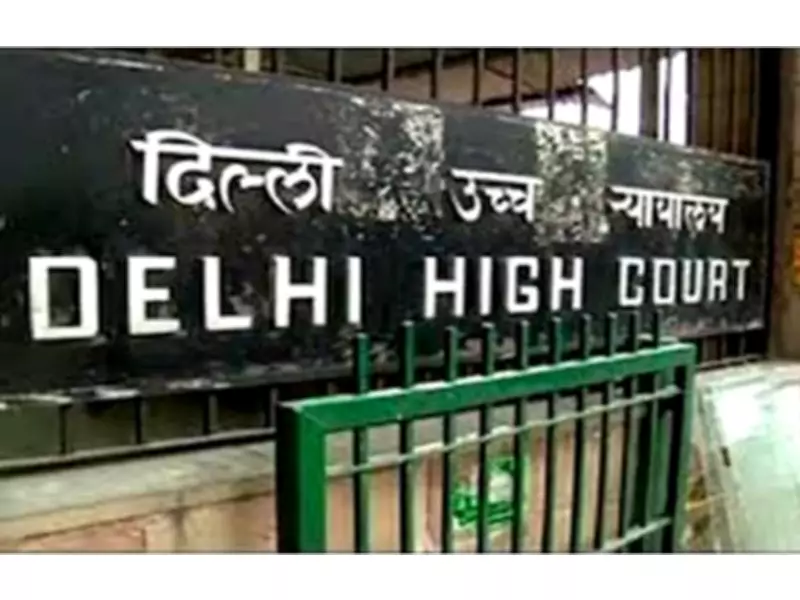
The Delhi High Court has mandated surprise inspections at all 38 Delhi government hospitals following an incident where a 70-year-old woman was allegedly denied an ICU bed, even though the government's online portal indicated beds were available. The order was passed on July 3 by a Division Bench comprising Justice Prathiba M Singh and Justice Manmeet Pritam Singh Arora while hearing a batch of petitions related to healthcare infrastructure and hospital administration.
Incident Involving 70-Year-Old Woman
The court's direction came after being informed about the case of Kamar Jahan, a 70-year-old resident of Seelampur, who experienced breathing difficulties on June 30. She first sought treatment at Jag Pravesh Chandra Hospital, where doctors referred her to GTB Hospital or LNJP Hospital due to her need for an ICU bed. According to court proceedings, LNJP Hospital provided only cursory treatment and sent her back, claiming no ICU beds were available, despite the online portal showing two vacant ICU beds at that time.
Inadequate Response from Hospitals
The Bench also noted that repeated calls made by the patient's family to the hospital numbers listed on the website failed to elicit any meaningful response. One call was answered by a security guard who could not confirm ICU bed availability, while calls made by court staff either went unanswered or were met with a busy signal. The court found inconsistencies in the implementation of the NextGen e-Hospital Management Information System (HMIS). While no Unique Health Identification (UHID) was generated for the patient at Jag Pravesh Chandra Hospital, a UHID was created at LNJP Hospital. The Bench observed that it remained unclear how the HMIS platform was being used across hospitals and why there was no uniformity in its implementation.

Court's Observations on HMIS Implementation
“It is clear that there needs to be consistency and uniformity in using the NextGen e-Hospital Management Information System (HMIS), and it is also necessary to ensure that the persons who are manning various telephone lines in the hospitals and are present at the hospitals do not turn down patients,” the court stated. The National Informatics Centre (NIC) has been directed to conduct surprise audits at all 38 hospitals by July 31 and submit a report to the court.
Scope of the NIC Audit
The NIC audit will verify whether ICU bed availability is accurately reflected on the portal, whether emergency calls seeking ICU beds are properly attended to, and whether the HMIS is being implemented uniformly across all Delhi government hospitals. Any gaps identified are to be reported to the court. Additionally, the Bench asked the Delhi Government to consider setting up a toll-free number with at least 10 to 20 lines available at any point for emergency services and enquiries related to ICU bed availability.