US Launches Fresh Attacks on Iran
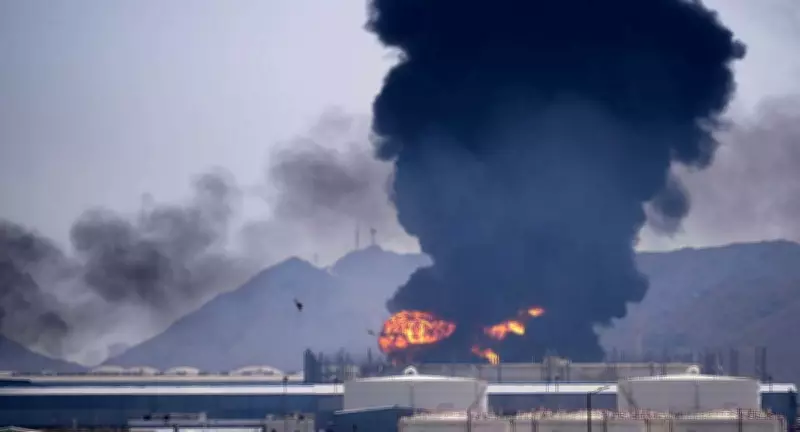
The United States launched a new wave of attacks on Iran, escalating the conflict in the Middle East. Air raid sirens were reported in Bahrain, Kuwait, and the Strait of Hormuz, as the US military targeted Iranian positions. According to a statement from the US Department of Defense, the strikes were aimed at degrading Iran's ability to launch further attacks on US forces and allied interests in the region.
Air Raid Sirens Sound Across Gulf States
Residents in Bahrain and Kuwait reported hearing air raid sirens, prompting many to seek shelter. The Strait of Hormuz, a critical oil shipping lane, also saw heightened alert. A senior US official confirmed that the attacks targeted multiple Iranian military facilities, including missile bases and command centers. "The strikes were necessary to protect American lives and interests," the official said.
Iran Vows Retaliation
Iran's Foreign Ministry condemned the US attacks, calling them a violation of international law. In a press briefing, Iranian spokesperson Saeed Khatibzadeh stated, "Iran reserves the right to respond decisively to any aggression." The Iranian military has been placed on high alert, and reports indicate that Iran has moved missile batteries to defensive positions.

Global Markets React
The escalation sent oil prices surging past $100 per barrel, raising fears of a global economic slowdown. The Strait of Hormuz handles about 20% of the world's oil supply, and any disruption could have severe consequences. Stock markets in Asia and Europe fell sharply, with investors seeking safe-haven assets like gold and the US dollar.
International Community Calls for Restraint
The United Nations Security Council convened an emergency session, with Secretary-General António Guterres urging both sides to de-escalate. "We are on the brink of a catastrophic conflict," Guterres warned. The European Union and Russia also called for immediate ceasefire talks. Meanwhile, US President Donald Trump defended the strikes, saying, "We will not tolerate threats to our security."
Impact on Civilian Populations
In Iran, reports of casualties and damage are emerging. According to the Iranian Red Crescent, at least 12 civilians have been killed and 45 wounded in the attacks. Hospitals in Tehran and other cities are overwhelmed. The US military stated that it took all precautions to avoid civilian casualties, but acknowledged that collateral damage is possible in such operations.
Regional Allies on High Alert
Bahrain and Kuwait, which host US military bases, have increased their own security measures. The Gulf Cooperation Council (GCC) issued a statement expressing concern over the escalation and calling for dialogue. Saudi Arabia, a key US ally in the region, said it was monitoring the situation closely and urged all parties to exercise restraint.
Oil Tankers Diverted from Strait of Hormuz
Several oil tankers have been diverted away from the Strait of Hormuz, as shipping companies fear the conflict could spread. The US Navy's Fifth Fleet is escorting commercial vessels through the strait to ensure safe passage. Analysts warn that a prolonged closure of the strait could lead to a global energy crisis.