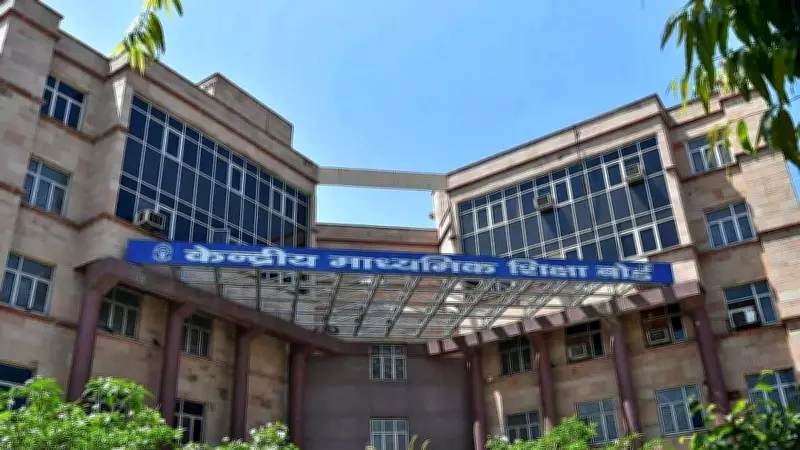
The Central Board of Secondary Education (CBSE) has introduced a new multilingual policy that requires students to study three languages, a move that is expected to reshape school curricula but also presents substantial hurdles in implementation.
Policy Overview and Mandate
Under the new framework, schools affiliated with CBSE must offer at least three languages from Class 6 onwards, aligning with the National Education Policy (NEP) 2020. The policy aims to promote linguistic diversity and cognitive development, but educators warn that it demands significant investment in resources, teacher training, and curriculum design.
Challenges in Implementation
According to Upasha Kumari, the author of the opinion piece, the biggest challenge lies in the lack of preparedness among schools. Many institutions, particularly in rural areas, lack the infrastructure and qualified teachers to offer multiple languages. "Investment and curriculum design will be key pieces in CBSE's new model of multilingualism," she writes. The policy could strain budgets, as schools may need to hire additional language teachers and develop new learning materials.

Impact on Students and Teachers
For students, the policy could enhance cognitive flexibility and cultural awareness, but it also risks overburdening them with an intensive language load. Teachers face the challenge of adapting to new pedagogical approaches, including multilingual teaching strategies. CBSE has not yet announced specific funding or training programs to support schools, leaving many to fend for themselves.
Broader Educational Context
The three-language formula has been a contentious issue in Indian education, with debates over the inclusion of regional languages versus Hindi and English. The new CBSE policy aims to strike a balance, but its success hinges on adequate government support and school-level innovation. As Kumari notes, "Without proper investment, the policy may widen the gap between privileged and under-resourced schools."
Looking Ahead
CBSE has set a phased rollout, with full implementation expected by 2028. Stakeholders are calling for clearer guidelines, financial aid, and professional development programs. The policy represents a bold step toward multilingual education, but its execution will determine whether it becomes a milestone or a stumbling block for Indian schooling.