Delhi High Court Sets Four-Week Deadline for Response to Jagtar Hawara's Parole Application
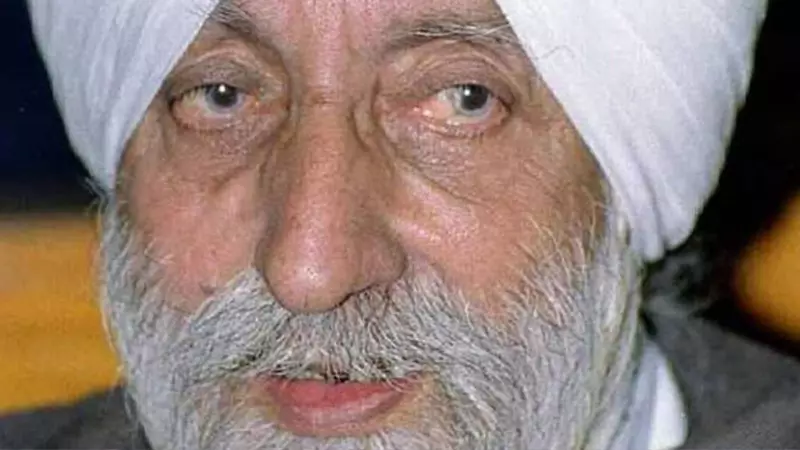
The Delhi High Court has issued a directive requiring authorities to respond within four weeks to the parole application of Jagtar Singh Hawara, who is currently serving a life sentence for his involvement in the assassination of former Punjab chief minister Beant Singh. This order comes after Hawara's application, submitted in June 2025, had remained unanswered for over seven months, prompting judicial intervention.
Judicial Order and Legal Proceedings
In an order passed on Thursday, January 22, 2026, Justice Prateek Jalan noted that Hawara, incarcerated in Central Jail No. 15, Mandoli, Delhi, had filed a writ petition highlighting the lack of response to his parole request. The court directed the respondent-authorities to communicate their decision to Hawara and his legal counsel within a strict timeframe of four weeks. "It is directed that the respondent-authorities will communicate their response to the request for parole, to the petitioner and learned counsel on record for the petitioner, within a period of four weeks," the order stated.
During the proceedings, the respondents, represented by additional standing counsel Sanjeev Bhandari, argued that the jail superintendent lacked jurisdiction since Hawara was convicted by Chandigarh's additional sessions judge. They contended that the Chandigarh administration should be the proper authority to handle the matter. In response, Hawara's senior counsel, Maninder Singh, emphasized the prolonged delay and stressed the necessity of a reply to proceed with further legal steps.
Background of the Parole Application
Jagtar Singh Hawara applied for regular parole on June 11, 2025, citing several grounds for his request:
- He has served over 27 years in prison, demonstrating a significant period of incarceration.
- Hawara has maintained good conduct during his time in jail, which is often a key factor in parole considerations.
- He seeks release to care for his bedridden mother and to repair family ties, highlighting personal and humanitarian reasons.
Hawara's lawyer, Jaspal Singh Manjhpur, pointed out that his client was convicted in seven cases but acquitted in 22 others, making him eligible for parole under applicable regulations. Additionally, he noted that Hawara's co-accused, Lakhwinder Singh, has been receiving parole since 2013, raising questions about consistency in parole decisions.
Legal History and Sentencing
Jagtar Singh Hawara's legal journey has been marked by significant developments:
- In 2007, he was sentenced to death by Additional Sessions Judge R K Sondhi in Chandigarh under various sections of the Indian Penal Code and the Explosive Substances Act.
- In 2010, the Punjab and Haryana High Court commuted his death sentence to life imprisonment, altering the course of his incarceration.
- The current parole application represents a continued effort to address his long-term imprisonment and personal circumstances.
The court's order clarified that it does not foreclose the submissions made by either party and that all rights and remedies of the petitioner remain reserved. The writ petition has been disposed of, with a copy sent to the jail superintendent for compliance, ensuring that the authorities adhere to the four-week deadline.
This case underscores the ongoing legal and humanitarian considerations in parole applications for long-term prisoners, particularly those involved in high-profile cases. The Delhi High Court's intervention highlights the importance of timely responses from authorities in such matters, balancing judicial oversight with the rights of incarcerated individuals.