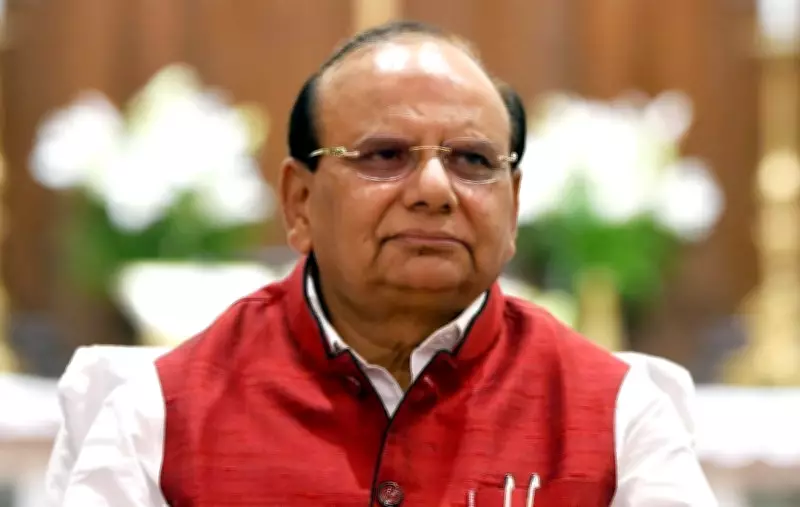
Delhi Lieutenant Governor VK Saxena Acquitted in Defamation Case Filed by Medha Patkar
In a significant legal development, Delhi Lieutenant Governor VK Saxena has been cleared of all charges in a defamation case filed by prominent social activist Medha Patkar. The court delivered its verdict, stating that the statements made by Saxena did not meet the legal threshold for defamation, thereby granting him a clean chit in this high-profile matter.
Background of the Defamation Case
The defamation case was initiated by Medha Patkar, a well-known activist recognized for her work on environmental and social justice issues. Patkar had alleged that certain public statements made by VK Saxena, who serves as the Lieutenant Governor of Delhi, were defamatory in nature and had harmed her reputation. The case had been under judicial scrutiny for some time, drawing attention from legal experts and the public alike due to the stature of the individuals involved.
Court's Ruling and Legal Analysis
The court meticulously examined the evidence and arguments presented by both parties before arriving at its decision. In its detailed judgment, the court emphasized that for a statement to be considered defamatory under Indian law, it must be proven to have caused actual harm to the reputation of the individual. The court found that Saxena's statements, while potentially critical, did not cross the line into defamation as defined by legal precedents.

Key points from the court's ruling include:
- The statements were made in a public context and did not contain malicious intent.
- There was insufficient evidence to demonstrate that Patkar's reputation suffered significant damage as a result.
- The court upheld the principle of freedom of speech, noting that public figures must tolerate a higher degree of criticism.
Reactions and Implications
Following the verdict, reactions have been mixed. Supporters of VK Saxena have welcomed the decision, viewing it as a vindication of his right to express opinions in his official capacity. On the other hand, Medha Patkar and her associates have expressed disappointment, arguing that the ruling might set a precedent that could weaken protections against defamation for activists and public figures.
This case highlights the delicate balance between freedom of expression and the protection of personal reputation in India's legal framework. It also underscores the challenges faced by activists and government officials in navigating public discourse, especially in a politically charged environment like Delhi.
Broader Context and Future Outlook
This defamation case is part of a larger pattern of legal battles involving high-profile individuals in India. It raises important questions about how defamation laws are applied in cases involving public servants and activists. Legal experts suggest that this verdict could influence future cases, potentially leading to more stringent requirements for proving defamation in similar contexts.
As Delhi continues to be a hub of political and social activism, such cases are likely to remain in the spotlight. The acquittal of VK Saxena may prompt discussions on potential reforms to defamation laws to ensure they are applied fairly and consistently across all sectors of society.