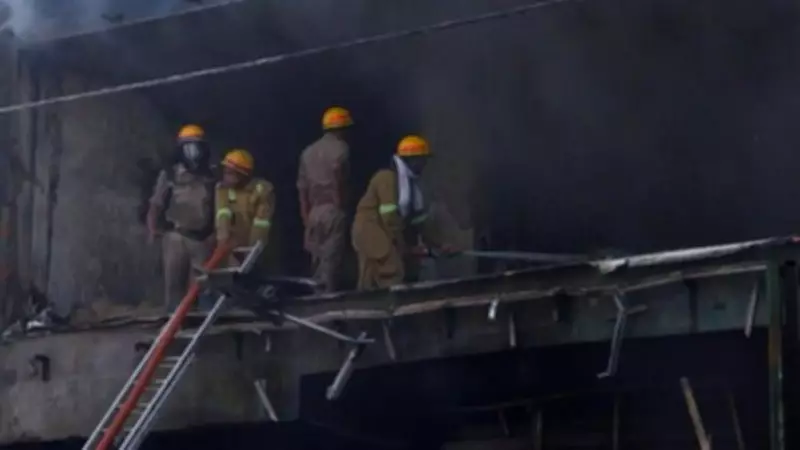
At least 15 people died and several others were injured after a massive fire broke out on Monday afternoon in the upscale Aliganj locality of Lucknow. Dozens of animals were rescued from a pet facility located within the affected building, officials said.
Rescue Operations and Casualties
Firefighters battled the blaze for hours, managing to rescue numerous pets, including dogs and cats, from the facility. The exact number of animals saved is still being tallied, but eyewitnesses reported seeing teams carrying cages and animals to safety. The cause of the fire is under investigation, with preliminary reports suggesting an electrical short circuit may have triggered the incident.
Government Response and Investigation
Uttar Pradesh Chief Minister Yogi Adityanath expressed condolences to the victims' families and announced an ex-gratia of Rs 5 lakh for the deceased and Rs 50,000 for the injured. He directed officials to ensure thorough rescue and relief efforts. The Lucknow district administration has ordered a magisterial inquiry into the incident.

According to a senior fire department official, the blaze spread rapidly due to flammable materials stored in the building. “We received the call around 2:30 pm and rushed 12 fire tenders to the spot. The rescue operation was challenging due to narrow lanes and heavy smoke,” the official said.
Impact on Local Community
Residents in the vicinity reported chaos as flames engulfed the building, with many helping to evacuate people and animals. Local animal welfare groups have stepped forward to provide medical care and shelter for the rescued animals. A veterinarian on site stated, “Several animals suffered from smoke inhalation and minor burns. We are providing immediate treatment.”
Safety Concerns and Calls for Action
The tragedy has reignited concerns over fire safety compliance in commercial and residential buildings in Lucknow. Activists are demanding stricter enforcement of fire norms and regular inspections of pet facilities. The incident also highlights the vulnerability of animals in such disasters, prompting calls for better emergency planning for animal care.