

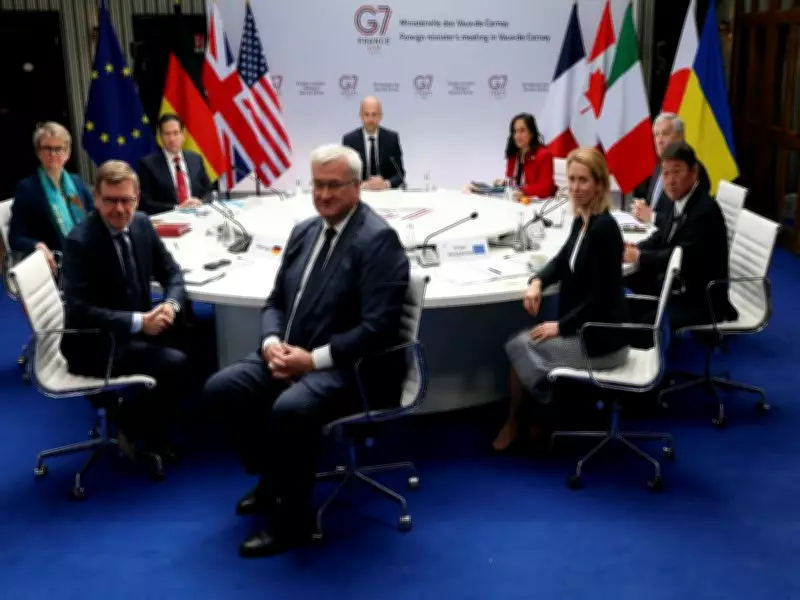
G7 Foreign Ministers Emphasize Absolute Necessity of Safe and Toll-Free Strait of Hormuz
In a significant diplomatic move, foreign ministers from the Group of Seven (G7) nations have jointly emphasized the critical importance of ensuring the Strait of Hormuz remains a safe and toll-free maritime passage. This statement comes amid ongoing regional tensions and underscores the strait's pivotal role in global energy supplies and international trade flows.
Strategic Importance of the Strait of Hormuz
The Strait of Hormuz, a narrow waterway located between the Persian Gulf and the Gulf of Oman, is one of the world's most strategically vital chokepoints for oil and gas transportation. It serves as a primary conduit for approximately one-fifth of the global oil supply, making its security paramount to energy markets worldwide. The G7 ministers highlighted that any disruption or imposition of tolls in this region could have severe repercussions on the global economy, potentially leading to increased energy prices and supply chain bottlenecks.
G7's Unified Stance on Maritime Security
During their discussions, the G7 foreign ministers reaffirmed their commitment to upholding international law and freedom of navigation in the Strait of Hormuz. They stressed that maintaining a safe and toll-free environment is not only essential for regional stability but also for the broader principles of maritime security. The ministers called for cooperative efforts among nations to prevent any actions that could threaten the strait's accessibility, including piracy, armed conflicts, or unilateral toll impositions.

Implications for Global Trade and Energy Security
The emphasis on a toll-free Strait of Hormuz by the G7 reflects deep concerns over potential economic impacts. As a key artery for liquefied natural gas (LNG) and crude oil exports from major producers like Saudi Arabia, Iran, and the United Arab Emirates, any instability in the strait could disrupt global energy supplies. The ministers noted that ensuring its safety is crucial for sustaining economic growth and preventing market volatility, particularly in energy-dependent regions.
Regional and International Responses
This G7 statement is likely to resonate with other international stakeholders, including the United Nations and regional powers in the Middle East. It aligns with broader efforts to promote diplomatic solutions and enhance maritime security cooperation in the Persian Gulf. The ministers also urged all parties to engage in dialogue to address underlying tensions, emphasizing that peaceful resolution of disputes is key to preserving the strait's status as a vital global trade route.
In summary, the G7 foreign ministers' emphasis on the absolute necessity of a safe and toll-free Strait of Hormuz underscores its critical role in global affairs. This stance highlights ongoing efforts to safeguard maritime corridors essential for energy security and international commerce, reinforcing the need for collective action to maintain stability in this strategically important region.






