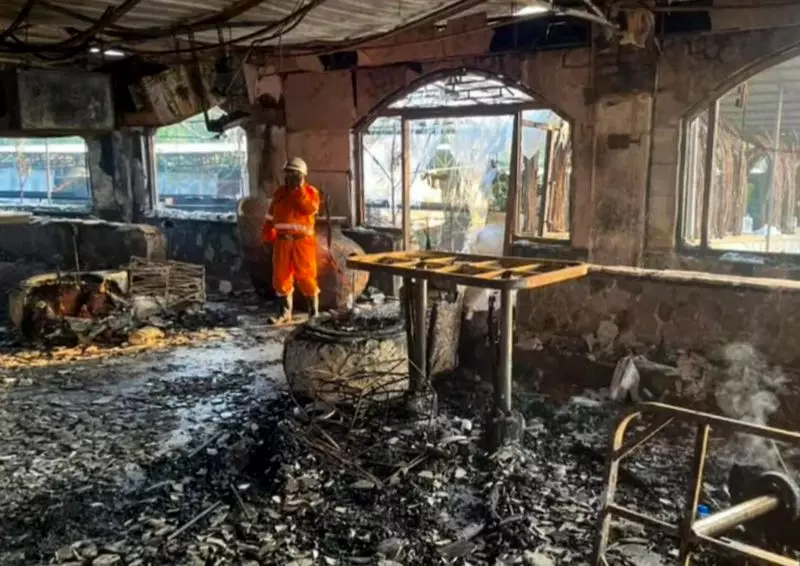
In a powerful display of grief and unresolved anger, families of the victims from the tragic 2019 Goa nightclub fire gathered at Jantar Mantar in New Delhi on Sunday. Their demand was unequivocal: death penalty for the convicts, brothers Vishal and Hitesh Luthra, who were sentenced to life imprisonment for the blaze that claimed 15 lives.
A Protest Fueled by Unending Grief
The protest, organized by the families alongside social activist Yogita Bhayana, saw emotional scenes as parents and relatives held placards bearing photographs of their lost loved ones. The central message was clear—the life term awarded by a Goa court in February 2024 was insufficient justice for the premeditated negligence that led to the catastrophe. The families argue that the act was tantamount to murder, deserving of the highest punishment under Indian law.
Yogita Bhayana, representing the families, stated their intention to escalate the matter to the Supreme Court. "We will file an appeal in the Supreme Court seeking death penalty for the accused," she declared, emphasizing that the fight would continue until capital punishment was secured. The protest aimed to draw national attention to their prolonged struggle and put pressure on the judicial system.

The Horrific Incident and the Legal Battle
The fire broke out on the morning of June 20, 2019, at the ‘1 Above’ nightclub in the Tourist Hostel building in Goa’s Siolim. The inferno trapped and killed 15 individuals, including 13 staff members who were sleeping inside the premises. Investigations revealed shocking lapses: the club was operating without a valid fire safety license, and its emergency exit was illegally blocked, turning the venue into a death trap.
In February 2024, the court convicted the Luthra brothers, owners of the establishment, under sections 304 (culpable homicide not amounting to murder) and 338 (causing grievous hurt by act endangering life) of the Indian Penal Code. While the conviction was a legal victory, the sentence of life imprisonment fell devastatingly short of the families' expectations for justice. They believe the evidence points to a deliberate and reckless disregard for human life, warranting a death sentence.
The Long Road Ahead for Justice
The protest at Jantar Mantar underscores the enduring pain of the victims' kin and their refusal to let the memory of their loved ones fade from public consciousness. The case has highlighted critical issues of building safety norms, enforcement of fire regulations, and accountability in the hospitality industry. For the families, the legal battle is now poised to enter its most crucial phase in the Supreme Court.
As they prepare their appeal, the message from Jantar Mantar resonates loudly: a life sentence for a crime that snuffed out 15 lives is seen not as closure, but as a compromise. Their quest is for a precedent that treats gross commercial negligence resulting in mass casualties with the severity it deserves. The nation watches as this determined group continues its arduous journey from tragedy towards what they hope will be definitive justice.